Blog / Pink Eye (Conjunctivitis): Understanding Causes, Symptoms, and Treatment
Pink Eye (Conjunctivitis): Understanding Causes, Symptoms, and Treatment
Did you know that pink eye, also known as conjunctivitis, affects millions of people each year? This common eye condition can cause discomfort and vision changes, but understanding its various forms is key to effective management and treatment. This comprehensive guide explores the diverse causes, recognizable symptoms, and available treatments for conjunctivitis, empowering you with the knowledge to seek appropriate care.
What is Conjunctivitis (Pink Eye)?
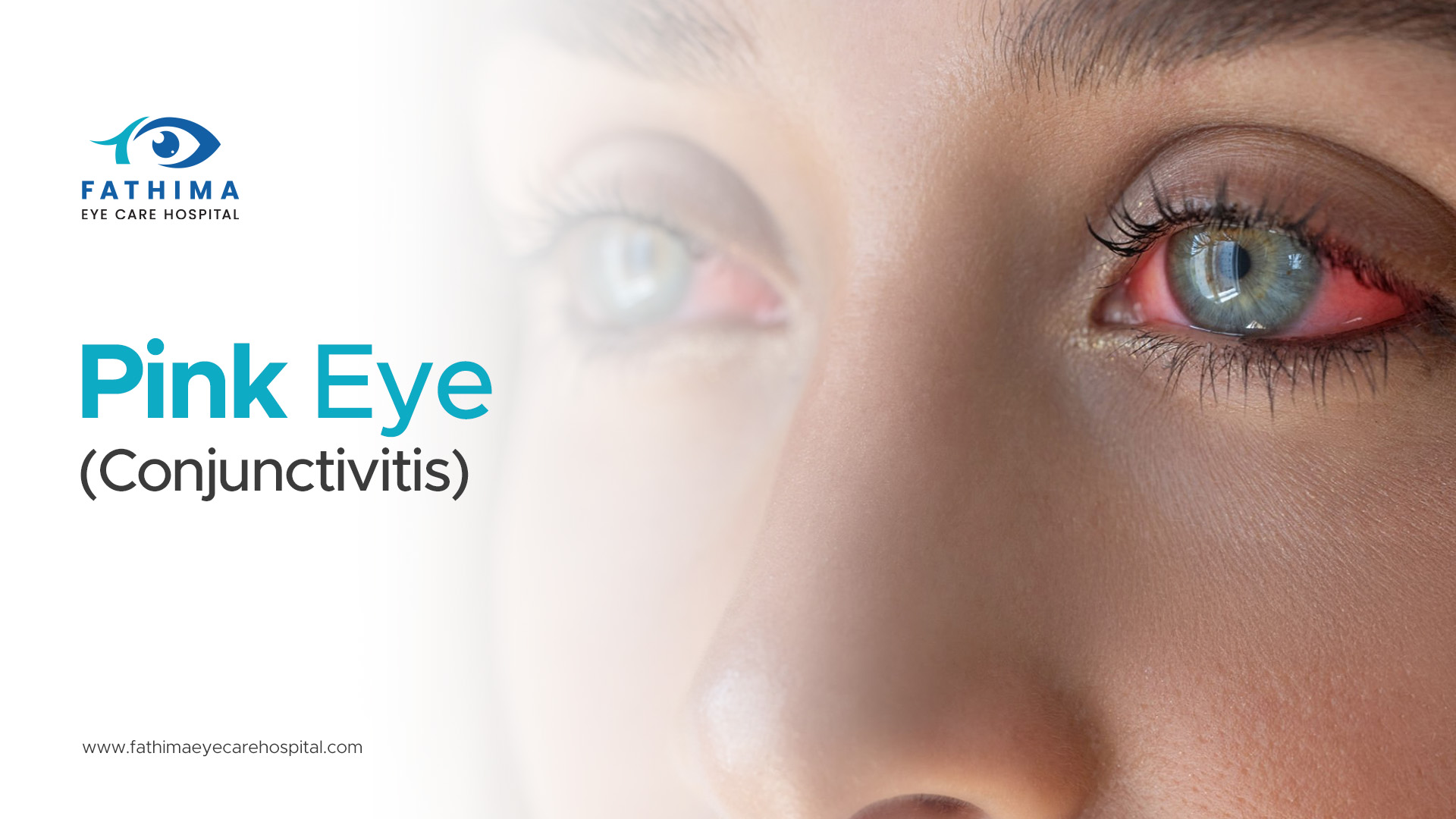
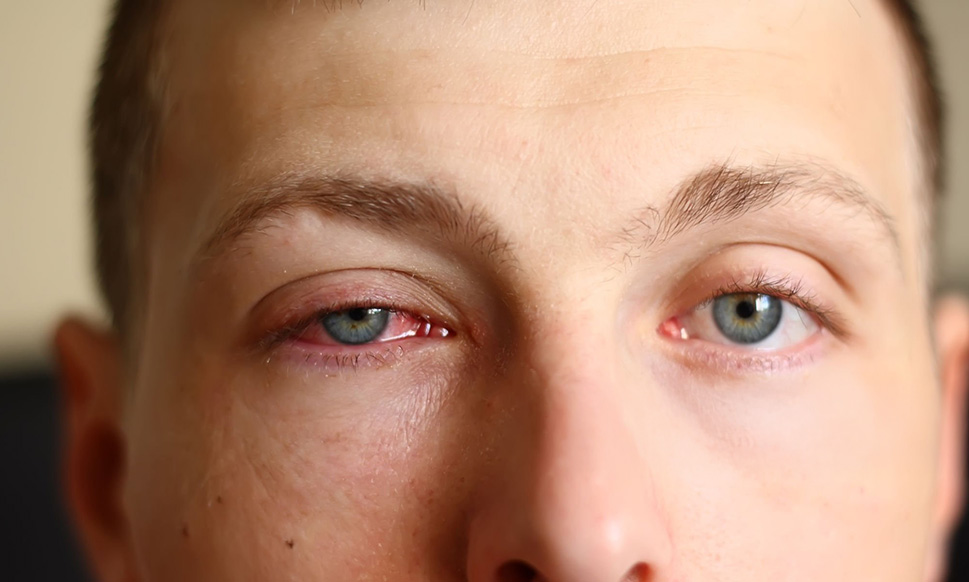
Conjunctivitis is an inflammation or infection of the conjunctiva, the thin, transparent membrane that covers the white part of the eye and lines the inside of the eyelids. When the conjunctiva becomes inflamed or infected, it can cause the eye to appear pink or reddish, hence the common name “pink eye.” This inflammation can affect one or both eyes.
Causes of Pink Eye
Pink eye can be caused by a variety of factors, broadly categorized into infectious and non-infectious types.
Infectious Conjunctivitis
This is the most common type and is caused by microorganisms.
· Viral Conjunctivitis: This is the most frequent cause of infectious pink eye, often associated with the same viruses that cause the common cold or flu. Adenoviruses are a common culprit. Viral conjunctivitis is highly contagious and can spread rapidly through direct contact with infected respiratory secretions or contaminated surfaces.
Source:* Centers for Disease Control and Prevention (CDC) – Conjunctivitis
· Bacterial Conjunctivitis: Caused by bacteria such as Staphylococcus aureus, Streptococcus pneumoniae, and Haemophilus influenzae. This type is also contagious and can spread through direct contact with eye secretions or contaminated objects. In newborns, a specific type called ophthalmia neonatorum can be caused by sexually transmitted infections like gonorrhea or chlamydia, requiring immediate medical attention.
Source:* American Academy of Ophthalmology – Pink Eye (Conjunctivitis)
· Fungal Conjunctivitis: Though rare, fungal infections can cause conjunctivitis, particularly in individuals with weakened immune systems or after an injury involving plant matter. Specific fungi like Fusarium and Aspergillus can be responsible.
· Parasitic Conjunctivitis: Less common in developed countries, parasitic infections can also lead to conjunctivitis. Certain parasites can enter the eye through contaminated water or soil.
Non-Infectious Conjunctivitis
This type is not caused by an infection but by irritants or underlying conditions.
· Allergic Conjunctivitis: This is a very common form, triggered by allergens such as pollen, dust mites, pet dander, mold, or cosmetics. It typically affects both eyes and is characterized by intense itching. Allergic conjunctivitis is not contagious.
· Irritant Conjunctivitis: This occurs when the eye comes into contact with irritants like smoke, chlorine from swimming pools, shampoo, or foreign objects. The body’s natural response is to produce tears to flush out the irritant, which can lead to redness and discomfort.
· Chemical Conjunctivitis: Similar to irritant conjunctivitis, this is caused by exposure to chemicals, such as splashes of cleaning solutions or airborne chemical fumes. Prompt and thorough irrigation of the eye is crucial in such cases.
· Dry Eye Syndrome: In some cases, chronic dry eyes can lead to inflammation of the conjunctiva, resulting in symptoms similar to conjunctivitis. Insufficient tear production or poor tear quality can cause irritation and redness.
· Blepharitis: This is an inflammation of the eyelids, often caused by bacteria or skin conditions like rosacea or dandruff. Blepharitis can lead to secondary conjunctivitis.
· Systemic Diseases: Certain autoimmune diseases, such as rheumatoid arthritis or lupus, can sometimes be associated with inflammation of the conjunctiva.
Symptoms of Pink Eye
The symptoms of conjunctivitis can vary depending on the cause, but some common signs include:
· Redness: The white part of the eye appears pink or reddish. This is the hallmark symptom.
· Itching and Irritation: A gritty or sandy feeling in the eye, accompanied by itching, is common, especially with allergic conjunctivitis.
· Discharge:
Watery discharge: Often seen in viral conjunctivitis.
Thick, pus-like discharge: Typically associated with bacterial conjunctivitis. This discharge can cause the eyelids to stick together, especially after sleeping.
Stringy, mucus-like discharge: Can be a sign of allergic conjunctivitis.
· Gritty Sensation: A feeling that something is in the eye.
· Burning Sensation: A stinging or burning feeling in the eyes.
· Swollen Eyelids: The eyelids may become puffy.
· Increased Sensitivity to Light (Photophobia): Bright lights may cause discomfort.
· Blurred Vision: This can occur due to discharge or inflammation, but significant or persistent blurred vision warrants immediate medical attention.
· Watery Eyes (Tearing): Excessive tearing can be a symptom.
Differentiating Symptoms by Cause:
· Viral: Usually starts in one eye and spreads to the other. Characterized by watery discharge, redness, and often cold-like symptoms. Itching is usually mild.
· Bacterial: Produces a thick, green or yellow discharge that can mat the eyelids. Both eyes are often affected. Itching is typically mild.
· Allergic: Affects both eyes, causing intense itching, redness, and watery or stringy discharge. Often accompanied by other allergy symptoms like sneezing or a runny nose.
· Irritant/Chemical: Symptoms appear quickly after exposure to an irritant or chemical. Redness, tearing, and discomfort are primary symptoms.
Diagnosis of Pink Eye
An eye care professional, such as an ophthalmologist or optometrist, can usually diagnose pink eye based on a review of your symptoms and a physical examination of your eyes. If the cause is unclear or if there are concerns about a severe infection or underlying condition, your doctor may perform the following:
· Medical History: Discussing your symptoms, recent exposures, and any known allergies or underlying health conditions.
· Eye Examination: Using a slit lamp (a special microscope) to examine the conjunctiva, eyelids, and other parts of the eye.
· Culture Swab: In cases of suspected bacterial or fungal infection, a sample of the discharge may be collected and sent to a laboratory to identify the specific microorganism. This helps in choosing the most effective antibiotic or antifungal treatment.
Also read: Understanding Eyelid Lumps: Treatments for Styes and Blepharitis
Treatment for Pink Eye
The treatment for pink eye depends entirely on its underlying cause.
Treatment for Infectious Conjunctivitis
· Viral Conjunctivitis: There is no specific cure for viral conjunctivitis, as most cases resolve on their own within one to three weeks. Treatment focuses on managing symptoms and preventing spread:
Artificial tears: Over-the-counter lubricating eye drops can help soothe irritation and wash away discharge.
Cool compresses: Applying a clean, cool, moist cloth to the eyes can reduce swelling and discomfort.
Good hygiene: Frequent handwashing, avoiding touching the eyes, and not sharing towels or personal items are crucial to prevent spreading the virus.
Antiviral medications: In rare cases of herpes simplex virus (HSV) or varicella-zoster virus (VZV) infections, antiviral eye drops or oral medications may be prescribed.
· Bacterial Conjunctivitis: This type is treated with antibiotic eye drops or ointments. It is important to complete the full course of antibiotics as prescribed by your doctor, even if symptoms improve quickly, to ensure the infection is fully cleared and to prevent antibiotic resistance.
· Fungal and Parasitic Conjunctivitis: These rare forms require specific antifungal or antiparasitic medications, often administered as eye drops or oral medications. Treatment can be prolonged and requires close monitoring by an eye care specialist.
Treatment for Non-Infectious Conjunctivitis
· Allergic Conjunctivitis: Treatment aims to reduce inflammation and relieve itching:
Antihistamine eye drops: Over-the-counter or prescription eye drops can quickly relieve itching and redness.
Mast cell stabilizer eye drops: These help prevent the release of histamine, reducing allergic reactions.
Corticosteroid eye drops:In severe cases, a doctor may prescribe short-term use of steroid eye drops to reduce inflammation, but these require careful monitoring due to potential side effects.
Avoiding allergens: Identifying and avoiding triggers is key to managing allergic conjunctivitis.
· Irritant/Chemical Conjunctivitis: The primary treatment is to thoroughly flush the eye with clean water or saline solution immediately after exposure. If symptoms persist, an eye care professional should be consulted. For mild irritants like smoke, artificial tears can provide relief.
· Dry Eye Syndrome: Treatment involves artificial tears, prescription eye drops to increase tear production, punctal plugs to block tear drainage, or lifestyle changes to reduce environmental irritants.
· Blepharitis: Treatment typically involves regular cleaning of the eyelids with diluted baby shampoo or specialized lid cleansers, warm compresses, and sometimes antibiotic ointments or oral antibiotics.
When to Seek Medical Attention
While many cases of pink eye are mild and resolve on their own or with simple home care, it’s important to see an eye care professional if you experience any of the following:
· Moderate to severe eye pain.
· Vision changes, such as blurred vision that doesn’t improve with blinking or wiping.
· Increased sensitivity to light (photophobia).
· Symptoms that worsen or do not improve after a few days of home care or prescribed treatment.
· A weakened immune system (e.g., due to HIV/AIDS, chemotherapy, or long-term steroid use).
· A newborn or infant with eye redness or discharge, as this could indicate a serious infection.
· If you suspect a foreign object is in your eye.
At Fathima Eye Care Hospital, our experienced ophthalmologists are equipped to diagnose and treat all types of conjunctivitis. Early diagnosis and appropriate treatment are crucial for preventing complications and restoring eye comfort.
Prevention of Pink Eye
Preventing the spread of infectious conjunctivitis is largely a matter of good hygiene:
· Wash your hands frequently and thoroughly with soap and water, especially after touching your face or eyes.
· Avoid touching, rubbing, or scratching your eyes.
· Do not share towels, washcloths, pillowcases, eye drops, or makeup.
· Clean contact lenses properly according to your eye doctor’s instructions and replace them as recommended.
· Discard eye makeup that may be contaminated, especially if you’ve had pink eye.
· Keep surfaces clean, particularly in shared spaces.
For allergic conjunctivitis, the best prevention is to identify and avoid your triggers. If you know you are prone to allergies, consider taking over-the-counter antihistamines before exposure to known allergens.
Living with Pink Eye
Managing pink eye involves following your doctor’s treatment plan, practicing good hygiene, and being patient. For infectious types, staying home from work or school until you are no longer contagious is important to prevent further spread. For allergic conjunctivitis, managing environmental triggers and using prescribed medications can significantly improve comfort.
Conclusion
Pink eye, or conjunctivitis, is a common condition with a wide range of causes, from viruses and bacteria to allergens and irritants. While often minor, it can cause significant discomfort and, in some cases, lead to complications if not properly managed. Understanding the different types of conjunctivitis, recognizing their symptoms, and knowing when to seek professional medical help are essential steps in maintaining eye health. Regular handwashing and avoiding eye contact with irritants are key preventive measures. For expert diagnosis and personalized treatment, consult with the specialists at Fathima Eye Care Hospital.
Frequently Asked Questions (FAQ)
Q1: Is pink eye contagious?
Infectious forms of pink eye, caused by viruses or bacteria, are highly contagious. Allergic and irritant conjunctivitis are not contagious.
Q2: How long does pink eye last?
Viral conjunctivitis typically resolves within 1 to 3 weeks. Bacterial conjunctivitis usually improves within a few days of starting antibiotic treatment. Allergic conjunctivitis symptoms persist as long as the allergen is present or can be managed with medication.
Q3: Can I wear contact lenses if I have pink eye?
No. If you have any type of infectious pink eye, you should not wear contact lenses until the infection has completely cleared and your doctor says it is safe to resume. For allergic conjunctivitis, it’s often best to avoid contacts until symptoms subside.
Q4: What are the signs of a serious eye infection?
Signs of a serious eye infection include severe eye pain, significant vision loss or blurriness that doesn’t improve, extreme sensitivity to light, and a pus-like discharge.
Q5: Can I treat pink eye at home?
For mild cases of viral or irritant conjunctivitis, home care like artificial tears and cool compresses can help. However, bacterial infections require antibiotics, and any severe symptoms or concerns necessitate professional medical evaluation.
Q6: How can I prevent my child from getting pink eye at school?
Teach your child to wash their hands frequently, avoid touching their eyes, and not share personal items like towels or crayons. Encourage them to report any eye irritation to a teacher or parent immediately.
Thrissur | Aluva | Perumbavoor | Kochi | Thodupuzha | Pala