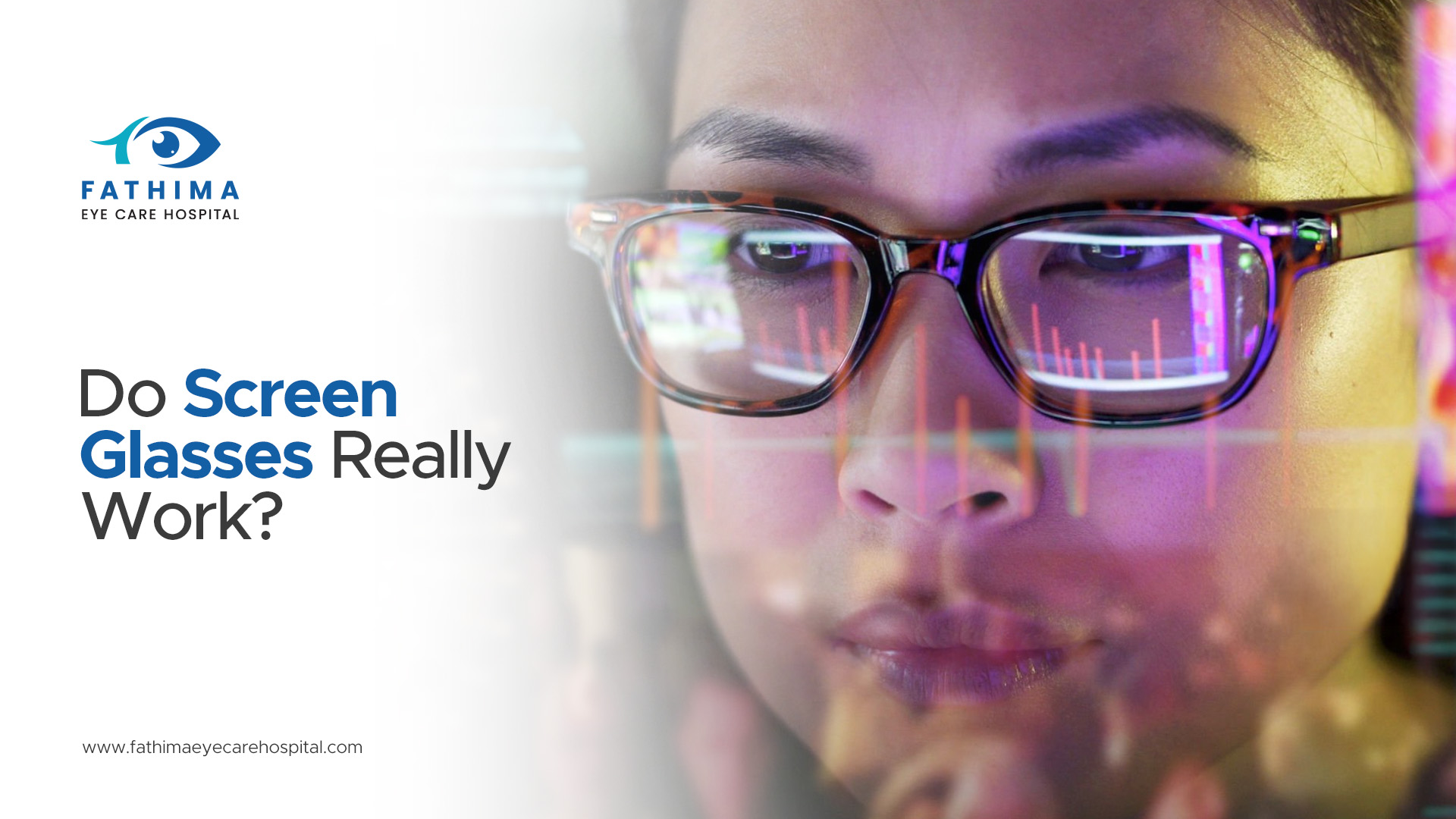
Blog / Do Screen Glasses Really Work? Everything You Need to Know
Do Screen Glasses Really Work? Everything You Need to Know
Did you know that the average adult spends over 7 hours a day looking at screens? This extensive digital exposure has led to a surge in interest surrounding screen glasses, also known as blue light glasses. But do these glasses actually work, or are they just a marketing gimmick? Let’s dive into the science and evidence to understand their potential benefits and limitations.
Understanding Blue Light
Before we can assess the effectiveness of screen glasses, it’s crucial to understand what blue light is. Blue light is a part of the visible light spectrum, and it’s emitted by natural sources like the sun, as well as artificial sources, most notably digital screens (smartphones, tablets, computers, and TVs).
Visible light ranges from approximately 380 to 750 nanometers (nm). Blue light falls within the range of 380 to 500 nm. Within this range, there’s a sub-category of blue-violet light, typically between 400 and 450 nm, which has garnered particular attention due to its potential impact on our eyes and sleep cycles.
Sources of Blue Light
The Sun: The primary source of blue light is natural sunlight. Exposure to sunlight is essential for regulating our body’s internal clock, known as the circadian rhythm.
Digital Devices: Smartphones, tablets, computers, and LED televisions emit significant amounts of blue light. The closer these devices are to our eyes, the greater the potential exposure.
LED Lighting: Many modern homes and offices use LED bulbs, which also emit blue light.
The Claims Made by Screen Glasses
Screen glasses, equipped with blue light filtering lenses, claim to offer several benefits, primarily by reducing the amount of blue light that reaches your eyes. The most common claims include:
- Reducing Digital Eye Strain (Computer Vision Syndrome): This condition encompasses a range of eye and vision-related problems resulting from prolonged computer, tablet, e-reader, and cell phone use.
- Improving Sleep Quality: Blue light, especially in the evening, can suppress the production of melatonin, a hormone that signals to your body that it’s time to sleep.
- Protecting Against Eye Damage: Some proponents suggest that excessive blue light exposure could potentially contribute to long-term eye damage, such as macular degeneration.
Do Screen Glasses Actually Reduce Blue Light?
This is where the effectiveness of screen glasses comes into play. The lenses of these glasses are designed to block or filter out specific wavelengths of blue light. The degree to which they do this varies significantly between brands and types of lenses.
Some lenses are clear and claim to filter out a small percentage of blue light, while others have a noticeable yellow or amber tint, indicating a more significant filtering effect. The effectiveness of a blue light filter is often measured by its Optical Density (OD) at specific blue light wavelengths.
Reputable manufacturers will often provide data on the percentage of blue light their lenses block at different wavelengths. It’s important to look for lenses that filter the blue-violet portion of the spectrum (400-450 nm), as this is the range most associated with potential disruption of sleep.
Evidence for Reducing Digital Eye Strain
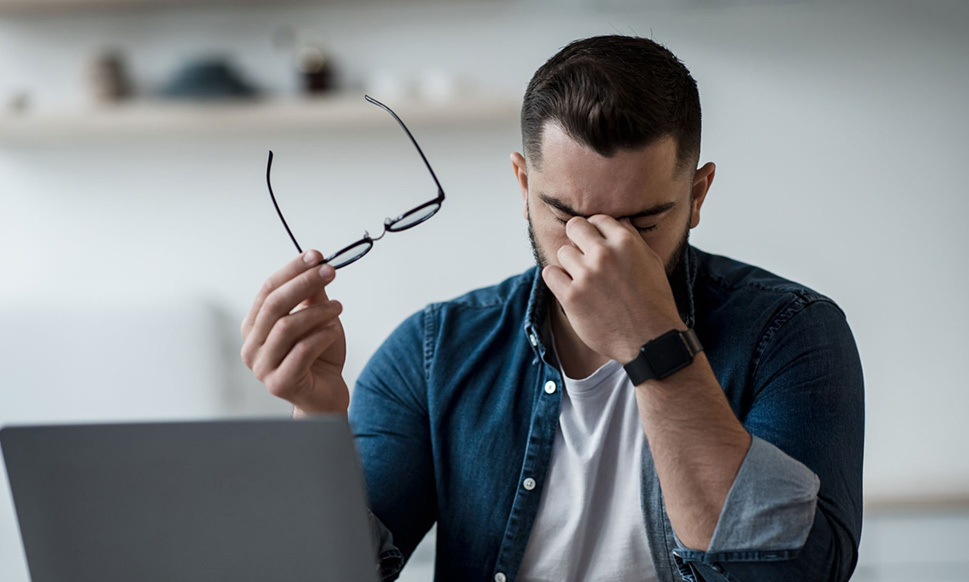
Digital eye strain, or Computer Vision Syndrome (CVS), is a very real issue for many people who spend hours in front of screens. Symptoms include:
- Headaches
- Blurred vision
- Dry eyes
- Neck and shoulder pain
While blue light is often blamed for CVS, the reality is more complex. Several factors contribute to digital eye strain, including:
- Reduced Blinking Rate: When focusing intensely on a screen, people tend to blink less, leading to dry eyes.
- Poor Ergonomics: Incorrect screen height, distance, and posture can cause physical discomfort.
- Uncorrected Vision Problems: Existing refractive errors (like nearsightedness or farsightedness) can be exacerbated by screen use.
- Glare: Glare from screens can make it harder to see and increase eye strain.
Do blue light glasses help with digital eye strain? The scientific evidence is mixed and often inconclusive. Some studies suggest that filtering out blue light may offer some relief for some individuals by reducing glare and improving visual comfort. The yellow tint of some lenses can increase contrast, which might make text appear sharper.
However, many experts argue that the primary cause of digital eye strain is not the blue light itself, but rather the prolonged visual task and reduced blinking. Therefore, addressing these fundamental issues might be more effective.
A 2017 review published in the journal Ophthalmology found that there was insufficient evidence to support the use of blue light filtering eyewear for relieving symptoms of digital eye strain. The review concluded that while blue light filters might reduce glare, they did not appear to improve visual performance or significantly alleviate discomfort.
The American Academy of Ophthalmology (AAO) states that blue light from digital devices does not cause eye disease. They recommend strategies like the 20-20-20 rule (every 20 minutes, look at something 20 feet away for at least 20 seconds), ensuring proper lighting, and taking frequent breaks as more effective ways to combat digital eye strain.
Strategies for Reducing Digital Eye Strain
- The 20-20-20 Rule: As recommended by the AAO, take a break every 20 minutes to look at something 20 feet away for 20 seconds. This helps your eye muscles relax.
- Adjust Screen Settings: Reduce brightness, increase text size, and adjust contrast to comfortable levels. Consider using a dark mode if available.
- Proper Lighting: Ensure your workspace is well-lit, but avoid glare on your screen. Position your screen to minimize reflections.
- Blink Frequently: Make a conscious effort to blink more often to keep your eyes moist.
- Ergonomics: Position your screen at arm’s length and slightly below eye level.
- Regular Eye Exams: Ensure your vision prescription is up-to-date. Eyeglasses from providers like Fathima Eye Care Hospital can correct underlying vision issues that might contribute to strain.
Evidence for Improving Sleep Quality
This is perhaps the area where blue light filtering has the most scientific backing, albeit with caveats.
Our bodies have an internal clock (circadian rhythm) that is heavily influenced by light. Exposure to light, especially blue light, during the day signals wakefulness. Conversely, darkness signals the body to produce melatonin, preparing it for sleep.
Blue light, particularly from screens used in the hours before bed, can interfere with this process. When blue light hits the retina, it sends signals to the suprachiasmatic nucleus (SCN) in the brain, which is the body’s master clock. This signal can tell the SCN that it’s still daytime, thus delaying melatonin production and potentially making it harder to fall asleep.
Several studies have explored the impact of blue light exposure on sleep:
- A 2017 study published in the journal PNAS compared the effects of blue light-filtering glasses to regular glasses in individuals using electronic devices for 3 hours before bedtime. The results showed that participants wearing the blue light-filtering glasses experienced less melatonin suppression and reported better sleep quality compared to the control group.
- Another 2016 study in the journal Sleep found that using iPhones for 4 hours before bed significantly suppressed melatonin levels and delayed sleep onset. Wearing blue-light blocking glasses mitigated these effects.
The key takeaway here is the timing of exposure. Using screens with blue light filters in the evening, especially in the 2-3 hours before sleep, may help to reduce melatonin suppression and improve sleep onset latency and quality for some individuals. This is particularly relevant for people who use electronic devices extensively in the evening.
However, it’s important to note that:
- Not all blue light is bad: Daytime exposure to blue light is essential for alertness and regulating the circadian rhythm.
- Other factors affect sleep: Stress, diet, exercise, and overall sleep hygiene play a significant role in sleep quality. Blue light glasses alone may not solve significant sleep problems.
- The effectiveness depends on the filter: The degree to which the glasses filter blue light is crucial. Strongly tinted lenses (amber or red) are generally more effective at blocking blue light than clear lenses.
Strategies for Better Sleep Hygiene
- Limit Evening Screen Time: The most effective strategy is to reduce or eliminate screen use in the hours before bed.
- Use Night Mode: Most smartphones and operating systems have a ‘Night Shift’ or ‘Night Mode’ feature that reduces blue light emission by making the screen warmer in color. This can be a good alternative to glasses if you must use devices.
- Dim Lights: Lower the lights in your home in the evening.
- Establish a Routine: Go to bed and wake up around the same time each day, even on weekends.
- Create a Relaxing Environment: Ensure your bedroom is dark, quiet, and cool.
Also read: Understanding Eyelid Lumps: Treatments for Styes and Blepharitis
Do Screen Glasses Protect Against Eye Damage?
This is the most controversial claim and where the scientific evidence is weakest.
The concern stems from research on the long-term effects of high-energy visible (HEV) light, which includes blue light, on the retina. Animal studies and some laboratory research have suggested that prolonged exposure to intense blue light could potentially damage retinal cells, leading to conditions like age-related macular degeneration (AMD).
However, the amount of blue light emitted by digital devices is significantly lower than that from natural sunlight. The AAO emphasizes that there is no scientific evidence that the blue light from digital devices causes damage to the eye or leads to conditions like macular degeneration.
- Intensity Matters: The intensity of light exposure plays a critical role in potential damage. Sunlight is far more intense than the light from your phone or computer screen.
- Natural Filters: The human eye has natural filters (like the lens and cornea) that block some blue light. Additionally, the macula itself contains pigments (lutein and zeaxanthin) that help filter blue light.
- Research Gaps: Most studies suggesting harm have been conducted in laboratory settings with high-intensity blue light, which doesn’t directly translate to typical screen usage.
Therefore, the claim that screen glasses are necessary to prevent long-term eye damage from digital devices is not supported by current scientific consensus.
Types of Blue Light Glasses
If you are considering trying blue light glasses, it’s helpful to understand the different types available:
1. Clear Lenses
- Appearance: These lenses look like regular eyeglasses and are often chosen for daily wear.
- Filtering: They are designed to filter a small percentage of blue light, typically in the higher blue light spectrum (around 450 nm and above).
- Effectiveness: Their effectiveness in significantly impacting sleep or reducing eye strain is debatable due to the limited filtering. They are primarily for cosmetic reasons or very mild perceived benefits.
2. Lightly Tinted Lenses (Yellow/Amber)
- Appearance: These lenses have a subtle yellow or amber tint.
- Filtering: They filter a more significant portion of blue light, especially the blue-violet wavelengths (400-450 nm).
- Effectiveness: These are generally considered more effective for potentially improving sleep by reducing melatonin suppression. The tint can also increase contrast, which some users find improves visual comfort during screen use.
3. Heavily Tinted Lenses (Orange/Red)
- Appearance: These lenses have a strong orange or red tint.
- Filtering: They block a very high percentage of blue light and some green light.
- Effectiveness: These are the most effective for melatonin preservation and are often recommended for people with severe sleep disturbances related to screen use or for those who work at night. However, the strong tint can significantly alter color perception, making them less practical for daytime use or tasks requiring accurate color vision.
Are Blue Light Glasses Worth the Investment?
Based on the current scientific evidence:
- For Digital Eye Strain: There is limited evidence that blue light glasses are a primary solution. Focusing on ergonomic adjustments, taking breaks, and ensuring proper vision correction (potentially through eyeglasses from Fathima Eye Care Hospital) are likely more impactful.
- For Sleep Quality: If you consistently use digital devices for several hours before bed and struggle with falling asleep, blue light filtering glasses (especially those with a yellow or amber tint) may offer some benefit by reducing melatonin suppression. However, this should be considered alongside other sleep hygiene practices.
- For Eye Damage Prevention: There is no compelling scientific evidence to suggest that blue light from digital screens causes long-term eye damage, making glasses unnecessary for this purpose.
Consider your individual needs and experiences:
- Do you experience discomfort or headaches after prolonged screen use? Try implementing the 20-20-20 rule and checking your ergonomics first. If you still feel strain, a lightly tinted lens might offer some comfort.
- Do you have trouble falling asleep after using your phone or computer at night? Blue light filtering glasses could be a tool to try, but prioritize reducing screen time before bed.
- What is your budget? While some blue light glasses are affordable, others can be quite expensive. Weigh the potential benefits against the cost.
Alternatives to Blue Light Glasses
Fortunately, you don’t necessarily need to buy special glasses to mitigate the effects of blue light:
- Built-in Device Settings: Most modern smartphones, tablets, and computers have built-in features like ‘Night Shift’ (iOS), ‘Night Light’ (Windows/Android), or ‘Blue Light Filter’ that reduce blue light emission by warming the screen’s color temperature. Using these, especially in the evening, is a highly effective and free alternative.
- Screen Protectors: Some screen protectors are designed to filter blue light. Their effectiveness can vary.
- Software Applications: There are also software applications (like f.lux) that can adjust screen color temperature based on the time of day.
The effectiveness of screen glasses is a nuanced topic. While they can filter blue light, their impact on digital eye strain is not strongly supported by current research. For sleep, especially if you are a heavy evening screen user, blue light filtering glasses may offer some benefits by reducing melatonin suppression, but they are not a magic bullet and should be part of a broader strategy for good sleep hygiene. The claim of preventing long-term eye damage from screen blue light remains unsubstantiated by scientific evidence. Ultimately, the decision to use screen glasses depends on your personal experience, your screen usage habits, and your specific concerns. For many, focusing on fundamental eye care practices – like taking breaks, ensuring proper lighting, and maintaining good vision health through regular check-ups at a facility like Fathima Eye Care Hospital – will be more beneficial than relying solely on blue light filtering lenses.
Frequently Asked Questions (FAQ)
Q. Do blue light glasses actually block blue light?
Yes, blue light glasses are designed with lenses that filter specific wavelengths of blue light. The degree of filtering varies by brand and lens type, with tinted lenses generally blocking more blue light than clear ones.
Q. Can blue light glasses prevent digital eye strain?
The scientific evidence is mixed. While some users report comfort, major ophthalmology organizations suggest that strategies like the 20-20-20 rule and proper ergonomics are more effective for reducing digital eye strain than blue light glasses alone.
Q. Will blue light glasses improve my sleep?
For individuals who use digital devices extensively in the evening, blue light filtering glasses (especially amber-tinted ones) may help by reducing melatonin suppression, potentially making it easier to fall asleep. However, limiting evening screen time is the most effective strategy.
Q. Do I need blue light glasses to protect my eyes from screen damage?
No. Current scientific consensus, including from the American Academy of Ophthalmology, indicates that blue light from digital devices does not cause eye disease or long-term damage. Sunlight is a far more intense source of blue light.
Q. Are there free alternatives to blue light glasses?
Yes. Most devices have built-in ‘Night Mode’ or ‘Blue Light Filter’ settings that warm screen colors in the evening. Software like f.lux also offers similar functionality. Prioritizing breaks and good lighting are also free and effective.
Q. What is the best type of blue light glasses for sleep?
For sleep, lenses with a noticeable yellow, amber, or even orange tint are generally more effective as they block a higher percentage of the blue light wavelengths that can interfere with melatonin production. Clear lenses are less effective for this purpose.
Thrissur | Aluva | Perumbavoor | Kochi | Thodupuzha | Pala