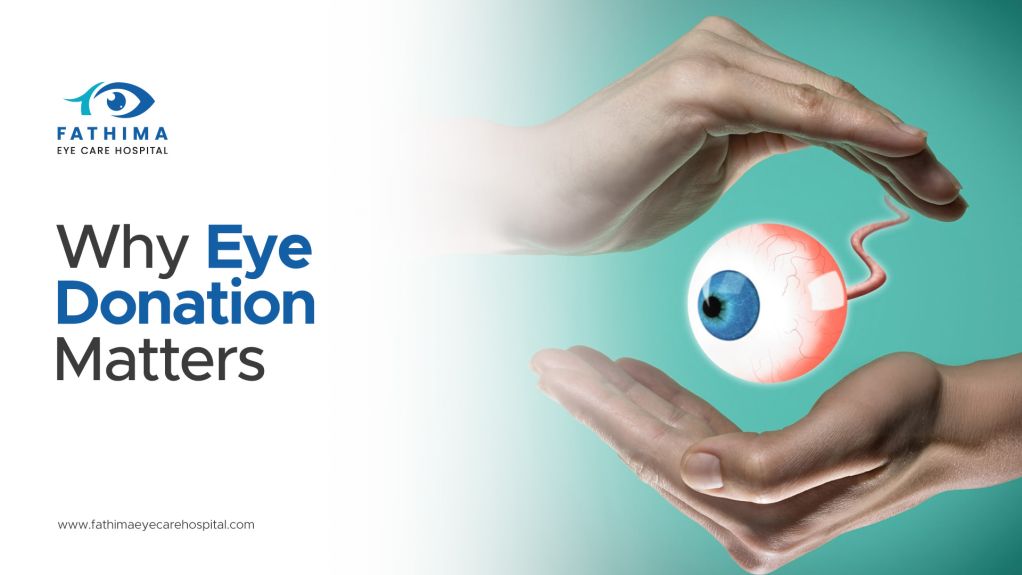
Why Eye Donation Matters: Giving the Gift of Sight
Globally, an estimated 38 million people are blind, and 10 million more are visually impaired due to corneal conditions that could potentially be treated with a corneal transplant. Eye donation offers a profound opportunity to restore vision and dramatically improve the quality of life for individuals suffering from corneal blindness.
The Profound Impact of Restoring Vision
Vision is one of our most precious senses, enabling us to experience the world, connect with loved ones, and participate fully in life. For individuals living with corneal blindness, the simple act of seeing is a distant dream. Corneal diseases, injuries, infections, and genetic disorders can all lead to opacification of the cornea, the clear front part of the eye, hindering light from entering and thus preventing sight.
Understanding Corneal Blindness
The cornea is a vital component of the eye's optical system. Its transparency is crucial for clear vision. When the cornea becomes cloudy or scarred, it refracts light improperly, leading to blurred vision or complete blindness. Conditions that can cause corneal blindness include:
· Keratoconus: A progressive thinning of the cornea that causes it to bulge outward into a cone shape.
· Fuchs' Dystrophy: A genetic disorder that causes the inner layers of the cornea to swell.
· Infectious keratitis: Inflammation of the cornea, often caused by bacteria, viruses, or fungi.
· Traumatic eye injury: Physical damage to the cornea from accidents or injuries.
· Vitamin A deficiency: Severe deficiency can lead to corneal ulceration and scarring.
The Role of Eye Donation
Eye donation is a miraculous gift that can bring sight back to those who have lost it due to corneal disease or damage. A corneal transplant, also known as a keratoplasty, involves surgically replacing the diseased or damaged cornea with a healthy one from a donor. This procedure can restore vision in over 90% of cases, depending on the underlying cause of blindness and the patient's overall eye health.
Who Can Be an Eye Donor?
Contrary to common myths, almost anyone can be an eye donor, regardless of age or eye color. Even individuals with common conditions like diabetes, hypertension, or short-sightedness can be donors. The decision to accept donated eyes is made by medical professionals after evaluating the donor's medical history and examining the eyes. Certain conditions, such as active cancer or certain infectious diseases, may disqualify a person from donating. However, these are exceptions rather than the rule. The medical team at the eye bank will make the final determination.
Dispelling Myths About Eye Donation
Several misconceptions surround eye donation, preventing many from considering it. It's important to address these myths with facts:
· Myth: Donating eyes disfigures the face.
* Fact: Eye donation is a surgical procedure performed with utmost respect and care. The eyes are closed after the corneas are retrieved, and there is no visible disfigurement. The deceased can still have an open-casket funeral.
· Myth: Only people with perfect vision can donate eyes.
* Fact: As mentioned, many people with common health conditions can still be donors. The health of the cornea is what matters most for transplant.
· Myth: Religious beliefs prohibit eye donation.
* Fact: Most major religions support eye donation as an act of charity and compassion. It is often seen as a way to help others and fulfill a spiritual duty.
· Myth: My family will have to pay for the donation.
* Fact: There is no cost to the donor's family for eye donation. The costs associated with eye retrieval and processing are covered by the eye bank or the recipient.
· Myth: Doctors will not try as hard to save my life if I'm an organ donor.
* Fact: The medical team treating a patient is separate from the organ and eye donation team. A patient's life will always be the top priority.
The Process of Eye Donation
When someone passes away, their family can inform the hospital staff or a local eye bank about their wish to donate. The eye bank then contacts the family to discuss the donation process and obtain consent. A trained eye bank technician or surgeon will then retrieve the corneas, a procedure that typically takes about 20-30 minutes and can be done within 6-12 hours after death.
The retrieved corneas are then carefully evaluated for quality and suitability for transplantation. They are preserved and matched with potential recipients on the waiting list. The entire process is handled with great sensitivity and respect for the donor and their family.
The Role of Eye Banks
Eye banks are non-profit organizations dedicated to the recovery, evaluation, and distribution of eye tissue for transplantation, research, and education. They play a crucial role in the eye donation ecosystem by:
· Coordinating donations: Working with hospitals and families to facilitate the donation process.
· Screening donors and tissue: Ensuring the safety and suitability of donated eyes.
· Matching recipients: Maintaining waiting lists and matching suitable corneas with patients.
· Providing education: Raising awareness about eye donation and its importance.

Also read: Chronic Tearing? Understanding and Treating Blocked Tear Ducts with DCR
Who Benefits from Eye Donation?
The primary beneficiaries of eye donation are individuals suffering from corneal blindness. This includes people of all ages, from infants to the elderly, who have lost their sight due to various corneal conditions. A successful corneal transplant can:
· Restore vision: Allowing individuals to see again.
· Improve quality of life: Enabling participation in daily activities, work, and social interactions.
· Reduce dependence: Decreasing the need for assistance from others.
· Offer hope and independence: Empowering individuals to lead fulfilling lives.
The Waiting List for Transplants
Despite the generosity of donors, the demand for corneas often exceeds the supply. This means many individuals remain on waiting lists for extended periods, hoping for a chance to regain their sight. This highlights the critical need for more people to consider becoming eye donors.
How to Become an Eye Donor
Becoming an eye donor is a simple yet profound act of kindness. The process typically involves:
- Registering your decision: You can often register your wish to be an eye donor when you obtain or renew your driver's license or state ID. You can also register directly with a national or local eye bank.
- Informing your family: It is crucial to discuss your decision with your family and loved ones. While your registered wish is important, family consent is often required, and their support ensures your wishes are honored.
- Carrying an organ donor card: Some regions provide donor cards that you can carry to signify your intent.
At Fathima Eye Care Hospital, we are committed to restoring vision and improving eye health within our community. We encourage everyone to consider the incredible impact of eye donation. If you or a loved one is considering eye donation, our team can provide information and guidance. Learn more about our services at Fathima Eye Care Hospital.
The Ethical and Societal Value of Eye Donation
Eye donation is more than just a medical procedure; it's an act of profound altruism that transcends personal loss and offers a new beginning for another. It embodies the spirit of giving and community support.
A Legacy of Sight
When you choose to donate your eyes, you leave behind a legacy of sight. Your corneas can help multiple individuals regain their vision, allowing them to experience the world anew. This gift continues to give long after you are gone, impacting generations.
Supporting Research and Education
Beyond transplantation, donated eye tissue is invaluable for medical research and education. Scientists use donated eyes to study eye diseases, develop new treatments, and train future ophthalmologists. This contributes to advancements in eye care that benefit everyone.
The Global Need
The need for corneal transplants is a global issue. While advancements in surgical techniques and eye banking have made transplants more accessible, the shortage of donors remains a significant challenge in many parts of the world. Increased awareness and registration are essential to meet this demand.
Conclusion: The Enduring Gift of Sight
Eye donation is a powerful way to make a lasting difference in the lives of others. By giving the gift of sight, you provide individuals with the opportunity to see their loved ones, appreciate the beauty of the world, and live their lives to the fullest. The cornea, though small, plays an enormous role in our ability to perceive the world. Its restoration through transplantation is a testament to the generosity of donors and the skill of medical professionals.
If you are considering eye donation, we urge you to discuss it with your family and explore the registration process. Your decision can bring light and hope to someone's life. Visit Fathima Eye Care Hospital to learn more about eye health and the importance of vision.
Frequently Asked Questions (FAQ)
Q1: Can I donate my eyes if I wear glasses or have had eye surgery?
A1: Yes, in most cases, individuals who wear glasses or have had previous eye surgery can still be eye donors. The health of the cornea is the primary factor, and medical professionals will assess suitability.
Q2: How soon after death can eyes be donated?
Eyes can be donated up to 6 to 12 hours after death. It is crucial to contact the eye bank or hospital as soon as possible after a death occurs to facilitate the process.
Q3: Will eye donation affect my body for funeral arrangements?
No, eye donation is a surgical procedure that does not disfigure the face. The eyes are closed after the corneas are removed, allowing for traditional funeral arrangements, including an open-casket viewing.
Q4: Can one donor help more than one person?
Yes, one eye donor can help up to two individuals regain their sight through corneal transplantation. The corneas from each eye can be transplanted separately.
Q5: What are the most common reasons for corneal blindness that can be treated by transplant?
Common causes include keratoconus, Fuchs' dystrophy, infectious keratitis, and traumatic eye injuries. These conditions can all lead to corneal opacification, hindering vision.
Q6: Where can I find more information about eye donation in my area?
You can typically find information from your local eye bank, national eye donation organizations, or by consulting with healthcare providers like those at Fathima Eye Care Hospital for guidance.
Thrissur | Aluva | Perumbavoor | Kochi | Thodupuzha | Pala