The Silent Thief : Comprehensive Diagnosis and Treatment for Glaucoma
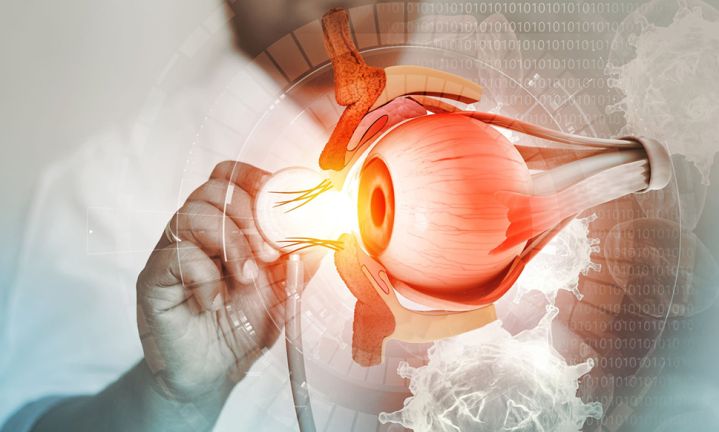
Glaucoma is a group of eye diseases that damage the optic nerve which is crucial for vision. The optic nerve transmits visual information from the eye to the brain, making it a vital component in the working of the human eye. When the pressure inside the eye, known as intraocular pressure (IOP), becomes too high, it leads to optic nerve damage and could later potentially lead to blindness. In this article, we will discuss the causes, symptoms, diagnosis, and treatment options for glaucoma.
What is Glaucoma?
A set of eye diseases known as glaucoma progressively harms the optic nerve, which is vital for vision. This condition usually occurs when the fluid within the eye fails to drain efficiently, causing a rise in intraocular pressure (IOP). The major reason this condition should not be ignored is that, if left untreated, it could eventually lead to permanent vision loss. Also, since the symptoms of glaucoma are often unnoticeable, the possibility of late diagnosis is relatively high.
Types of Glaucoma
Glaucoma is not a single disease but a collection of conditions. The major types include:
1) Open-Angle glaucoma
Open-Angle glaucoma(OAG) is the most common type of glaucoma that damages the optic nerve over time that can lead to irreversible vision loss. As it does not show early or no symptoms, it is called the “silent thief of sight” and poses risk in vision for those above the age of 40. Also, those with health conditions like diabetes and high blood pressure are susceptible to the illness.
2) Angle-closure glaucoma
Angle-closure glaucoma occurs when the coloured part of the eye, called the iris, obstructs and blocks the drainage angle, leading to increased intraocular pressure (IOP). As the pressure rapidly increases, it results in severe pain, redness, blurred vision and nausea in the eyes. Factors such as a family history of glaucoma and being over the age of 40 are major contributors to the development of this type of glaucoma. It is a medical emergency and requires immediate intervention.
3) Normal-Tension Glaucoma
Sometimes optic nerve damage occurs when the intraocular pressure(IOP) comes in a normal range typically 10-21 mmHg. Though the exact reasons for this have not yet been identified, such a condition occurs in individuals who are susceptible to eye related ailments. Factors such as poor blood flow to the optic nerve may play a role in this type of glaucoma.
4) Congenital Glaucoma
Commonly seen in infants and young children, this type of glaucoma is developed in the early stages of life which is caused by an abnormal development of the eye's drainage system. Symptoms may include excessive tearing, sensitivity to light or cloudy-looking eyes. Early diagnosis and treatment are essential to preserve vision.
Causes and Risk Factors
Glaucoma can affect anyone, but certain factors can increase the likelihood of developing the condition. The most significant reason for glaucoma to be associated with high eye pressure is the situation. While other risk factors such as age and family history have a minor contribution to the disease development. Besides these, people with diabetes as a chronic disease have a higher probability of being infected. The risk has been elevated by hypertension as well. There are quite a few strange practices among which the excessively long usage of corticosteroid medications in the form of eye drops, tablets, inhalers, or skin creams may increase the intraocular pressure in some individuals, thus increasing their risk of glaucoma. Keeping these diseases well under control is very important to lower the risk of glaucoma, and knowing up to the point signs even of retinal detachment can help in safeguarding the rest of the eye health. Additionally, being aware of warning signs, including retinal detachment symptoms, can help safeguard overall eye health.
Symptoms to Watch For
1) Gradual Peripheral Vision Loss
Peripheral vision loss is the inability to see objects and movement outside of your direct line of sight. The most common early symptom of glaucoma is this gradual narrowing in vision and is often unnoticed until the condition has significantly progressed.
2) Halos Around Lights
Seeing halos around lights might seem like a common phenomenon. But it could be a signal of an underlying eye condition that requires attention. It can be an indication of increased eye pressure or corneal swelling, and could worsen into glaucoma.
3) Severe Eye Pain
A sudden and intense pain in the eye can be a symptom of angle-closure glaucoma. This may be accompanied by headache, nausea, or vomiting. It is a medical emergency and requires immediate treatment to prevent permanent vision damage.
5) Redness and Headaches
Persistent redness in the eye, along with frequent or severe headaches, may be associated with elevated eye pressure. Although these symptoms can occur due to other conditions, they should be assessed by an eye specialist, especially when combined with other visual disturbances.
How Glaucoma Is Diagnosed
Eye specialists use a series of comprehensive tests to detect glaucoma. The following are some of the most common testing methods.
1) Comprehensive Eye Test : Eye specialists conduct a thorough test to evaluate overall eye health and identify abnormalities if any.
2) Tonometry (Eye Pressure Test) : This test measures the intraocular pressure (IOP) within the eye which is the common factor that leads to glaucoma.
3) Gonioscopy (Angle Examination) : Glaucoma can be classifieds open-angle or angle-closure depending on the drainage angle of the eye. This test examines the structure and openness of the drainage angle related to it for diagnosing glaucoma.
Understanding the difference between vitreous detachment and a retinal tear can also help patients identify alarming changes in vision that may need urgent care, even if they are unrelated to glaucoma. At Fathima eye care, we provide advanced glaucoma screening technologies to ensure early detection, accurate diagnosis, and timely treatment for healthier vision.
Treatment Options
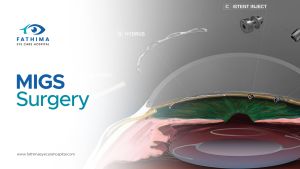
The prime aim of treatment for glaucoma is to reduce the intraocular pressure (IOP). Eye drops, including prostaglandins and beta-blockers, are typically the initial treatment to control eye pressure. In addition, laser procedures like trabeculoplasty or iridotomy can further support treatment by improving fluid drainage or reducing fluid production within the eye. Other surgeries such as MIGS Surgery, trabeculectomy and drainage implant are effective procedures to lower eye pressure and prevent further optic nerve damage.
Eyes are the most important sense organ for a person, and ignoring any problems that arise in them can lead to irreversible consequences. Therefore adopting preventive measures such as regular eye check ups, managing health conditions like diabetes and using protective eye wear to reduce eye injury can be beneficial in the long run. Living with glaucoma is challenging, but with the right care, it can be effectively controlled. At Fathima eye care, we are committed to protecting and preserving eye health and offer advanced glaucoma screening technologies and treatment for other eye related ailments. As a trusted centre for emergency eye care in Kerala, we ensure timely attention and expert care for all urgent vision concerns.
Thrissur | Aluva | Perumbavoor | Kochi | Thodupuzha | Pala