The Myopia Epidemic: Why Axial Length Elongation in Children is a Health Crisis
Did you know that the prevalence of myopia, or nearsightedness, has surged dramatically in recent decades? In some parts of Asia, over 80% of young adults are now myopic. This isn't just a matter of needing glasses; it's a burgeoning public health crisis driven by a specific biological change: axial length elongation in children.
Understanding Myopia and Axial Length
Myopia occurs when the eye grows too long from front to back, causing light to focus in front of the retina instead of directly on it. This results in blurred distance vision. The primary culprit behind this excessive eye growth is axial length elongation. The eyeball, specifically the vitreous chamber, lengthens beyond its normal dimensions.
The Normal Eye vs. the Myopic Eye
In a healthy, non-myopic eye, the cornea and lens work together to focus light precisely on the retina, the light-sensitive tissue at the back of the eye. This allows for clear vision at all distances. In a myopic eye, the axial length is greater than average. This elongation means that distant objects appear blurry because their light rays converge before reaching the retina.
What is Axial Length?
Axial length refers to the measurement of the eye from the front surface of the cornea to the internal limiting membrane of the retina. It's a crucial determinant of refractive error. An increase in axial length is the most common cause of myopia development and progression, particularly in childhood and adolescence.
The Alarming Rise of Childhood Myopia
Myopia was once considered a relatively common but manageable condition. However, recent global trends paint a starkly different picture. The prevalence of myopia has exploded, especially among children and adolescents. Studies indicate a significant increase in both the number of children developing myopia and the severity of their prescriptions.
Global Prevalence Statistics
Estimates vary by region, but the trend is undeniable. The World Health Organization (WHO) has highlighted myopia as a growing global health concern. In East Asia, prevalence rates in school-aged children can exceed 50%, and in some urban areas, they approach 80-90% in young adults. Even in Western countries, myopia rates have risen substantially over the past few decades. For instance, a 2016 study published in JAMA Ophthalmology noted a significant increase in myopia among American children and adolescents between the 1970s and the early 2000s.
Factors Contributing to the Epidemic
Several factors are believed to be contributing to this myopia epidemic:
- Genetics: A family history of myopia increases a child's risk. However, genetic factors alone cannot explain the rapid increase in prevalence.
- Environmental Factors: This is where the most significant changes have occurred.
Reduced Outdoor Time: Extensive research links less time spent outdoors with a higher risk of myopia development and progression. Natural sunlight is thought to play a protective role.
Increased Near Work: Prolonged periods spent on activities like reading, using computers, tablets, and smartphones, often at close distances, are strongly associated with myopia. The intensity and duration of this near work are key.
Urbanization: As populations become more urbanized, lifestyle changes often include less outdoor activity and more screen time, contributing to higher myopia rates.
Education Systems: In some cultures, intense academic pressure and long study hours may exacerbate the issue.
The Dangers of High Myopia
While mild to moderate myopia can often be corrected with glasses or contact lenses, high myopia (typically defined as -6.00 diopters or worse) poses significant health risks. The excessive axial elongation associated with high myopia stretches the eye's tissues, making them thinner and more vulnerable.
Ocular Complications Associated with High Myopia
Individuals with high myopia have a substantially increased risk of developing serious eye conditions later in life, which can lead to vision loss and even blindness. These include:
- Retinal Detachment: The stretched retina is more prone to tears and detachment. This is a medical emergency requiring prompt surgical intervention.
Myopic Macular Degeneration (MMD): Degeneration of the macula, the central part of the retina responsible for sharp, detailed vision. This can cause significant central vision loss.
Glaucoma: A condition characterized by damage to the optic nerve, often due to elevated intraocular pressure. High myopia is a known risk factor for developing glaucoma.
Cataracts: Clouding of the lens, which can impair vision. Myopic individuals may develop cataracts at an earlier age.
These complications underscore why the axial length elongation in children is not just about blurry vision but a critical health concern that needs proactive management.
Also read: Advanced Glaucoma Screening Technologies Used at Fathima Eye Care Hospital
Myopia Management: Interventions and Strategies
Fortunately, the medical community is increasingly focused on myopia management – strategies aimed at slowing down the progression of axial length elongation in children. Early intervention is key.
Pharmacological Treatments
- Low-Dose Atropine Eye Drops: Atropine, a medication typically used to dilate pupils, has shown remarkable efficacy in slowing myopia progression when used in low concentrations (e.g., 0.01% to 0.05%). The exact mechanism is still being researched, but it's thought to influence the eye's growth pathways. Studies have demonstrated significant reductions in the rate of axial elongation.
Optical Treatments
Specialty Contact Lenses
Orthokeratology (Ortho-K): These are rigid gas-permeable contact lenses worn overnight. They temporarily reshape the cornea, providing clear vision during the day without glasses or lenses. Importantly, research suggests Ortho-K can also slow myopia progression by altering peripheral retinal defocus.
Multifocal Soft Contact Lenses: Certain designs of soft multifocal contact lenses, specifically those with center-distance optics, have been developed with myopia control in mind. They create a specific pattern of peripheral defocus that may signal the eye to slow its growth. Clinical trials have shown these lenses can reduce the rate of axial elongation by approximately 50%.
Spectacle Lenses
Bifocal and Progressive Lenses: While standard bifocals and progressives are primarily for presbyopia, specialized designs with different lens powers in different zones can influence how light focuses on the peripheral retina.
D.I.M.S. (Defocus Incorporated Multiple Segments) and H.A.L.T. (Highly Aspherical Lenslet Target) Technology: These newer spectacle lens technologies use a unique design with multiple small segments or lenslets to create a peripheral myopic defocus, aiming to slow eye growth. Clinical studies have shown these lenses can reduce myopia progression by up to 60%.
Lifestyle Modifications
While not a treatment in themselves, lifestyle changes are crucial for prevention and can complement medical interventions:
- Increase Outdoor Time: Encourage children to spend at least 1-2 hours per day outdoors in natural daylight. This is one of the most effective preventative measures.
- Take Regular Breaks During Near Work: Implement the "20-20-20 rule": every 20 minutes, look at something 20 feet away for at least 20 seconds.
- Maintain Proper Reading/Working Distance: Ensure children hold books or devices at a comfortable distance (e.g., Harmon distance – elbow to knuckle) and have adequate lighting.
The Role of Eye Care Professionals
Eye care professionals, including optometrists and ophthalmologists, play a vital role in combating the myopia epidemic. Regular eye examinations are essential for early detection and intervention.
Early Detection and Monitoring
Children should have their first comprehensive eye exam around age 6 months, another around age 3, and then annually before starting school and throughout their school years. These exams allow eye care professionals to:
- Detect Myopia Early: Identify children who are developing myopia or are at high risk.
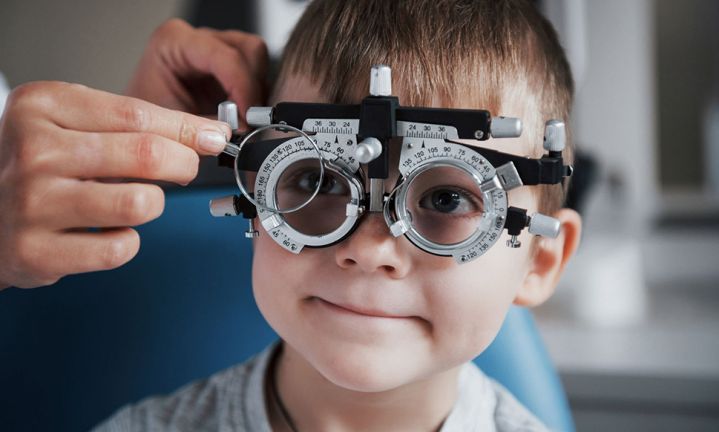
- Measure Axial Length: Using specialized equipment like an optical biometer, eye care professionals can accurately measure the axial length of the eye. Tracking changes in axial length over time is crucial for monitoring myopia progression.
- Assess Risk Factors: Evaluate family history, lifestyle habits, and other contributing factors.
Personalized Treatment Plans
Based on the comprehensive eye examination, eye care professionals can develop personalized myopia management plans. These plans consider the child's age, the current level of myopia, the rate of progression, axial length measurements, and lifestyle factors. At Fathima Eye Care Hospital, we are committed to providing comprehensive eye care services, including pediatric eye exams and myopia management tailored to each child's needs.
The Future of Vision Health
The myopia epidemic presents a significant challenge, but advancements in understanding and treatment offer hope. Continued research into the underlying mechanisms of axial elongation and the development of even more effective myopia control strategies are ongoing.
Investing in Prevention
Public health initiatives, educational campaigns, and parental awareness are critical. Encouraging healthy visual habits from a young age – prioritizing outdoor time and managing screen use – can significantly impact future generations' eye health. Investing in comprehensive eye care for children is an investment in their overall well-being and future quality of life.
The Importance of Regular Check-ups
Regular eye check-ups are not just about correcting vision; they are about safeguarding long-term eye health. By monitoring axial length and intervening early, we can mitigate the risks associated with high myopia and preserve clear vision for years to come. If you are concerned about your child's vision or suspect they may be developing myopia, it is essential to consult with an eye care professional. Fathima Eye Care Hospital offers expert consultations to address your concerns.
The escalating prevalence of myopia, driven by axial length elongation in children, is a serious public health issue with far-reaching consequences. The increased risk of sight-threatening conditions associated with high myopia cannot be ignored. However, with early detection, innovative myopia management strategies, and crucial lifestyle adjustments, we can effectively slow myopia progression and protect the precious gift of sight for our children. Prioritizing regular eye examinations and seeking professional guidance are paramount steps in combating this epidemic.
Frequently Asked Questions (FAQ)
Q1: What is the most significant factor contributing to the myopia epidemic in children?
While genetics play a role, the most significant contributing factors are environmental changes, primarily reduced outdoor time and increased near work (screen time, reading) at close distances.
Q2: How does axial length elongation cause myopia?
Axial length elongation means the eyeball grows too long from front to back. This causes light to focus in front of the retina instead of directly on it, resulting in blurred distance vision.
Q3: Are there effective treatments to slow down myopia progression in children?
Yes, several effective myopia management strategies exist, including low-dose atropine eye drops, specialized contact lenses (Ortho-K, multifocal soft lenses), and new spectacle lens technologies. Lifestyle changes like increased outdoor time are also crucial.
Q4: How often should children have their eyes examined?
Children should have comprehensive eye exams around 6 months, 3 years, and annually thereafter, especially during school years, to detect and monitor vision problems like myopia.
Q5: What are the long-term risks of high myopia?
High myopia significantly increases the risk of serious eye conditions such as retinal detachment, myopic macular degeneration, glaucoma, and cataracts, which can lead to vision loss.
Q6: Can spending more time outdoors help prevent myopia?
Yes, numerous studies suggest that spending more time outdoors in natural daylight is a protective factor against the development and progression of myopia in children.
Thrissur | Aluva | Perumbavoor | Kochi | Thodupuzha | Pala