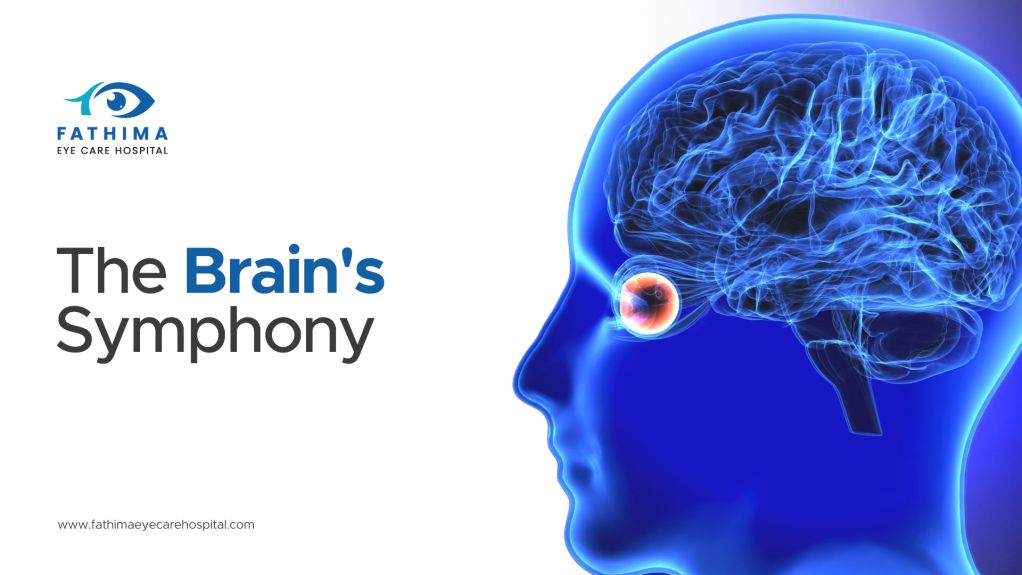
The Brain's Symphony: How New Light Inputs from Premium Lenses Are Processed
Did you know that the human eye can distinguish between millions of different colors? This incredible feat is made possible by the complex interplay between our eyes and our brain. When we introduce premium lenses, whether for vision correction or enhanced visual experiences, we are essentially altering the light that reaches our retinas. This change triggers a fascinating cascade of neural events as our brain adapts and interprets these new light inputs.
Understanding Light and Vision
Before delving into the specifics of premium lenses, it's crucial to understand the basics of how we see. Light enters the eye through the cornea, then passes through the pupil and lens. The eye's lens focuses this light onto the retina, a light-sensitive tissue at the back of the eye. The retina contains millions of photoreceptor cells – rods and cones – that convert light into electrical signals. These signals are then transmitted through the optic nerve to the visual cortex in the brain, where they are interpreted as images.
- Rods are responsible for vision in low light conditions and detect motion but do not perceive color.
- Cones are responsible for color vision and sharp detail in bright light.
The Role of Premium Lenses
Premium lenses, often found in high-end eyeglasses, sunglasses, or even advanced camera equipment, are designed to optimize the quality of light that reaches the eye. This can involve several features:
- Enhanced Clarity and Sharpness: Advanced lens materials and coatings reduce aberrations and distortions, allowing for a clearer, sharper image to be projected onto the retina. This means more precise light focusing.
- Color Accuracy: Some premium lenses are engineered to filter out specific wavelengths of light or enhance others, leading to more vibrant and true-to-life color perception. The brain receives a more accurate color spectrum.
- Reduced Glare and Reflections: Anti-reflective coatings minimize distracting reflections and glare from surfaces, allowing more light to pass through the lens and reach the retina unimpeded. This results in less scattered light.
- UV Protection: Most premium lenses offer robust protection against harmful ultraviolet (UV) radiation, safeguarding the eye's internal structures.
- Blue Light Filtering: Certain lenses are designed to filter out a portion of high-energy visible (HEV) blue light, which some studies suggest can contribute to eye strain and disrupt sleep patterns. The brain's response to this filtered light can differ.
Neural Adaptation: The Brain's Remarkable Flexibility
When you first put on a pair of premium lenses, especially if they significantly alter the way light enters your eyes (e.g., a strong tint or a new prescription), your brain doesn't instantly adjust. Instead, a process called neural adaptation begins. This is the brain's remarkable ability to recalibrate its sensory processing in response to new or altered input.
Initial Sensory Overload or Underload
Initially, you might experience a brief period of adjustment. If the lenses make the world appear brighter, darker, or with different colors, your brain needs time to interpret these changes. For instance, if you've been wearing glasses with a slight yellow tint for years and switch to clear, high-index lenses, the world might seem temporarily brighter and colors more vivid. Conversely, if you put on very dark sunglasses, your perception of brightness will significantly decrease.
Re-calibration of Visual Pathways
The visual cortex constantly works to make sense of the signals it receives. When the input changes, it begins to adjust the sensitivity of its neurons. This is similar to how your hearing adjusts when you move from a noisy environment to a quiet one. The brain learns to normalize the new level of stimulation.
- Brightness Adaptation: If the new lenses let in more light, the brain might initially perceive it as too bright. Over time, the neurons in the visual cortex become less sensitive to this increased light, and the perceived brightness returns to a comfortable level. This involves changes in the sensitivity of retinal cells and subsequent neural pathways. The International Commission on Illumination (CIE) provides standards for light and color measurement that underpin these perceptual changes.
- Color Adaptation (Chromatic Adaptation): When colors appear different due to lens tinting or filtering, the brain works to maintain a stable perception of color, a phenomenon known as color constancy. For example, if a lens casts a blueish hue, your brain will try to compensate, so a white object still appears white to you over time. Research in visual neuroscience explores how the brain achieves this constancy, often involving complex feedback loops between different brain areas.
- Contrast Sensitivity: Premium lenses that reduce glare and enhance sharpness can improve contrast sensitivity. This means the brain can more easily distinguish between subtle differences in brightness, making details appear more pronounced. This improved signal quality allows for more efficient processing in the visual cortex.
The Timeframe of Adaptation
The speed of neural adaptation varies from person to person and depends on the degree of change introduced by the lenses. For minor adjustments, it might take a few minutes to a few hours. For more significant changes, such as a new prescription for high myopia or astigmatism, it could take several days or even a couple of weeks for the brain to fully adapt. During this period, visual comfort and clarity are paramount. Eye care professionals, like those at Fathima Eye Care Hospital, emphasize the importance of proper lens selection and fitting to facilitate a smoother adaptation process.
Also read: Diabetic Retinopathy: Stages, Symptoms, and The Need for Timely Treatment
Factors Influencing Brain Processing of New Light Inputs
Several factors can influence how effectively and quickly your brain processes new light inputs from premium lenses:
1. The Nature of the Lens Technology
- Lens Coatings: Anti-reflective, anti-scratch, and UV-protective coatings all influence the light reaching the retina. Advanced coatings are designed to minimize unwanted light phenomena, providing a cleaner signal for the brain.
- Lens Material and Design: High-index materials, for example, allow for thinner, lighter lenses that can reduce peripheral distortions. Aspheric designs can further minimize aberrations, presenting a more precise image.
- Prescription Accuracy: For corrective lenses, an accurate prescription is fundamental. Even slight inaccuracies can lead to visual discomfort and prolonged adaptation times. Comprehensive eye exams are crucial for determining the correct prescription. For those seeking specialized vision correction, services at Fathima Eye Care Hospital can ensure precise measurements.
2. Individual Visual System Characteristics
- Age: Younger individuals generally have more adaptable visual systems than older adults.
- Previous Visual Experiences: Prior exposure to different types of lenses or visual environments can influence adaptation.
- Underlying Eye Conditions: Conditions like dry eye, cataracts, or glaucoma can affect how light is processed and may prolong adaptation.
- Neurological Factors: In rare cases, neurological conditions can impact visual processing.
3. Environmental Conditions
- Lighting Levels: Adapting to new lenses in bright sunlight might feel different than adapting in a dimly lit room.
- Visual Demands: The complexity of tasks you perform (e.g., reading vs. driving) can also play a role in how your brain prioritizes and adapts to new visual information.
The Benefits of Optimized Light Processing
When the brain successfully adapts to premium lenses, the benefits can be significant:
- Enhanced Visual Acuity: Sharper vision and the ability to see finer details.
- Improved Color Perception: More vibrant and accurate colors.
- Reduced Eye Strain: Less fatigue from prolonged visual tasks due to reduced glare and optimized light transmission.
- Increased Visual Comfort: A more relaxed and pleasant visual experience.
- Better Depth Perception: Crucial for tasks like driving and sports.
When to Seek Professional Help
While some adaptation period is normal, persistent discomfort, headaches, double vision, or a feeling that your vision is worse with the new lenses warrants a follow-up with your eye care professional. This could indicate an issue with the prescription, the lens fit, or the lens quality itself. Fathima Eye Care Hospital offers comprehensive eye care services to address any concerns related to vision and eyewear.
The brain's processing of new light inputs from premium lenses is a testament to its incredible adaptability. From the initial reception of altered light signals by the retina to the complex interpretation within the visual cortex, neural adaptation ensures we can comfortably and effectively perceive the world around us. Premium lenses, by optimizing light quality, provide the brain with better raw material to work with, leading to enhanced vision and overall visual well-being. Understanding this intricate process highlights the importance of quality eyewear and professional eye care in maintaining optimal sight.
Frequently Asked Questions (FAQ)
Q1: How long does it typically take for the brain to adjust to new premium lenses?
Adaptation time varies, usually ranging from a few hours to two weeks. It depends on the lens type and individual factors.
Q2: Will premium lenses change how I see colors permanently?
Initially, colors might seem different. However, the brain's color constancy usually restores normal color perception over time, even with tinted lenses.
Q3: What is neural adaptation in the context of eyewear?
It's the brain's process of recalibrating its visual system to new light inputs or visual information provided by new lenses.
Q4: Can premium lenses reduce eye strain?
Yes, features like anti-glare coatings and optimized light transmission can reduce visual fatigue and eye strain.
Q5: What should I do if I experience persistent discomfort with new lenses?
Consult your eye care professional. Persistent issues may require prescription adjustments or lens evaluation. Fathima Eye Care Hospital can assist with this.
Q6: Do blue light filtering lenses affect brain processing?
They filter specific wavelengths, which may influence sleep cycles. The brain processes this filtered light, potentially reducing strain from digital devices.
Thrissur | Aluva | Perumbavoor | Kochi | Thodupuzha | Pala