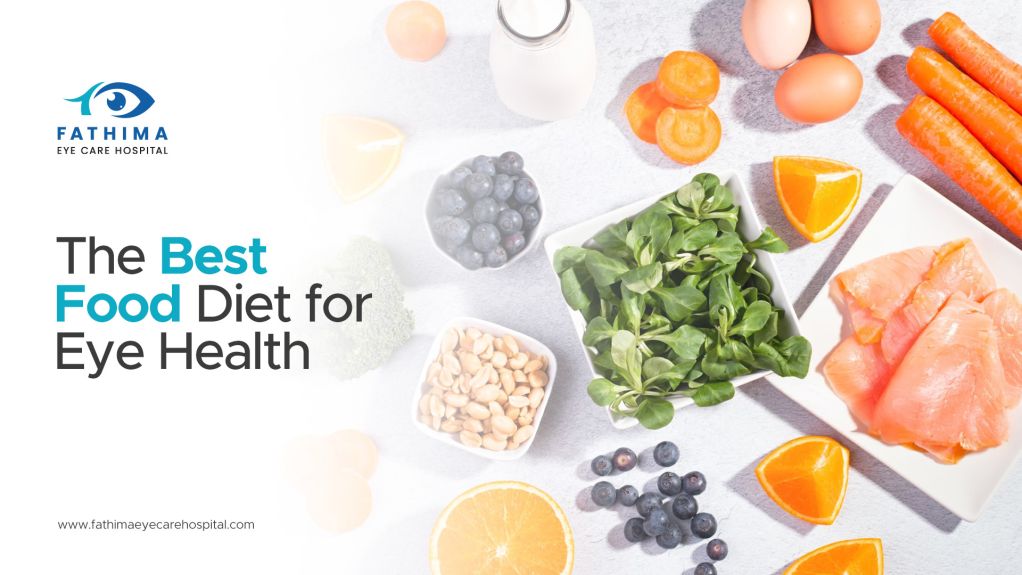
The Best Food Diet for Eye Health: Nourishing Your Vision
Did you know that over 2.2 billion people worldwide have a vision impairment? While genetics and age play a role, your diet significantly impacts your eye health. Nourishing your eyes with the right foods can help prevent common eye conditions and maintain clear vision throughout your life.
Understanding the Nutrients Crucial for Eye Health
Several key nutrients work together to protect your eyes from damage and support optimal function. Incorporating foods rich in these elements into your daily diet is paramount.
Vitamin A
Vitamin A is essential for good vision, especially in low light. It's a component of rhodopsin, a protein in the eyes that allows you to see in dim conditions. A deficiency in Vitamin A can lead to night blindness and, in severe cases, permanent blindness. Beta-carotene, which the body converts into Vitamin A, is found in many colorful fruits and vegetables.
Omega-3 Fatty Acids
These healthy fats are vital for eye health. Docosahexaenoic acid (DHA), a type of omega-3, is a major structural component of the retina. Omega-3s can help prevent dry eye syndrome and may play a role in reducing the risk of macular degeneration. They are particularly beneficial for the development and function of the eyes.
Vitamin C
An antioxidant, Vitamin C helps protect eye cells from damage caused by free radicals. It may also lower the risk of developing cataracts and slow the progression of age-related macular degeneration (AMD). Antioxidants are crucial for combating oxidative stress, which can harm delicate eye tissues.
Vitamin E
Another powerful antioxidant, Vitamin E, works with other nutrients to protect eye cells from damage. It's particularly effective in preventing the oxidation of fats in the eye, which can contribute to the development of cataracts and AMD. Studies suggest it can help protect against cellular damage.
Zinc
Zinc plays a crucial role in bringing Vitamin A from the liver to the retina to produce melanin, a protective pigment for the eyes. It's also involved in the function of many enzymes in the eye and can help prevent age-related macular degeneration. A sufficient intake of zinc is necessary for healthy retinal pigment.
Lutein and Zeaxanthin
These are two powerful antioxidants found in the macula, the part of the retina responsible for sharp, central vision. Lutein and zeaxanthin act like natural sunglasses, filtering harmful blue light and protecting the macula from damage. They are strongly linked to a reduced risk of chronic eye diseases, including AMD and cataracts. Their presence in the macula is critical for visual acuity.
The Best Foods to Include in Your Eye-Healthy Diet
Now that we understand the key nutrients, let's explore the best foods that deliver them in abundance. A varied and balanced diet is the most effective approach.
Leafy Green Vegetables
Spinach, kale, and collard greens are nutritional powerhouses for eye health. They are packed with lutein and zeaxanthin, as well as Vitamin C and beta-carotene. Regularly consuming these vegetables can significantly contribute to protecting your eyes from light damage and age-related diseases. Their high antioxidant content is a major benefit.
Fatty Fish
Fish like salmon, mackerel, tuna, and sardines are excellent sources of omega-3 fatty acids (DHA and EPA). These fats are crucial for retinal health and can help combat dry eyes and reduce the risk of macular degeneration. Aim for at least two servings of fatty fish per week. The DHA content is particularly beneficial.
Citrus Fruits and Berries
Oranges, grapefruits, lemons, strawberries, and blueberries are rich in Vitamin C. This antioxidant helps protect against eye damage and may reduce the risk of cataracts. Including these fruits in your diet provides a good daily dose of this essential vitamin. Their vitamin C levels are noteworthy.
Nuts and Seeds
Almonds, walnuts, sunflower seeds, and chia seeds are great sources of Vitamin E and zinc. Vitamin E protects eye cells from oxidative stress, while zinc helps transport Vitamin A to the retina. A handful of nuts or a sprinkle of seeds can provide a significant boost to your eye health. The zinc content is important for Vitamin A transport.
Eggs
Eggs are a fantastic source of lutein, zeaxanthin, zinc, and Vitamin A. The yolk, in particular, contains high levels of lutein and zeaxanthin, which are vital for protecting the macula. Including eggs in your diet offers a concentrated dose of these beneficial nutrients. The lutein and zeaxanthin in eggs are highly bioavailable.
Carrots and Other Orange Vegetables
Carrots, sweet potatoes, and pumpkins are well-known for their beta-carotene content, which the body converts into Vitamin A. Vitamin A is critical for good vision, especially in low light. These vibrant vegetables are a delicious way to support your eye's ability to see in dim conditions. The beta-carotene is key for Vitamin A production.
Lean Meats and Poultry
Beef, chicken, and turkey are good sources of zinc. As mentioned earlier, zinc is essential for maintaining the health of the retina and preventing age-related eye diseases. These protein sources can contribute to your overall zinc intake. The zinc in these meats is easily absorbed.
Legumes
Beans, lentils, and chickpeas are good sources of zinc and bioflavonoids. Bioflavonoids are antioxidants that can help strengthen blood vessels in the eyes, potentially reducing the risk of certain eye conditions. Their nutrient profile is quite diverse.
Also read: Do Screen Glasses Really Work? Everything You Need to Know
Diet Strategies for Preventing Common Eye Conditions
Adopting a diet rich in the aforementioned nutrients can significantly reduce your risk of developing several common eye problems.
Age-Related Macular Degeneration (AMD)
AMD is a leading cause of vision loss in older adults. Diets high in lutein, zeaxanthin, Vitamin C, Vitamin E, and zinc have been shown to lower the risk of developing AMD or slow its progression. The AREDS (Age-Related Eye Disease Study) formula, which includes these nutrients, has proven beneficial for individuals at high risk.
Cataracts
Cataracts are cloudy areas in the lens of the eye that can impair vision. Antioxidants like Vitamin C and Vitamin E, along with lutein and zeaxanthin, may help prevent or delay the formation of cataracts by protecting the lens from oxidative damage. A diet rich in fruits and vegetables is key.
Dry Eye Syndrome
Dry eye can cause discomfort and blurred vision. Omega-3 fatty acids, found in fatty fish, flaxseeds, and walnuts, can help improve the quality of tears and reduce inflammation associated with dry eye. Incorporating these sources into your diet can provide relief. The anti-inflammatory properties of omega-3s are beneficial.
Diabetic Retinopathy
For individuals with diabetes, managing blood sugar levels is paramount for preventing diabetic retinopathy, a complication that damages blood vessels in the retina. A balanced diet low in processed sugars and rich in antioxidants can help manage diabetes and protect against eye damage. Controlling blood sugar is the primary goal.
Beyond Diet: Other Factors for Eye Health
While diet is a cornerstone of good eye health, it's important to remember other lifestyle factors that contribute to maintaining clear vision. Regular eye exams are crucial for early detection and treatment of any developing issues. Protecting your eyes from UV radiation by wearing sunglasses is also vital. Avoiding smoking and maintaining a healthy weight further support overall eye health.
For comprehensive eye care and expert advice, consider visiting a trusted eye care professional. At Fathima Eye Care Hospital, we are dedicated to providing top-notch eye health services and personalized treatment plans.
Nourishing your eyes with a diet rich in vitamins, minerals, and antioxidants is one of the most effective ways to protect your vision and prevent eye diseases. By incorporating a variety of colorful fruits, vegetables, fatty fish, nuts, and seeds into your daily meals, you can significantly contribute to the long-term health of your eyes. Remember that a balanced diet, combined with regular eye check-ups and protective measures, forms the foundation for a lifetime of clear and healthy vision. Your eyes are precious; treat them with the nutrition they deserve.
Frequently Asked Questions (FAQ)
Q1: What is the single best food for eye health?
There isn't one single "best" food, but leafy green vegetables like kale and spinach are exceptionally beneficial due to their high content of lutein, zeaxanthin, and vitamins. A diverse diet is most effective.
Q2: Can diet completely prevent vision loss?
Diet can significantly reduce the risk of certain vision loss conditions like AMD and cataracts and help manage others like dry eye. However, it cannot guarantee complete prevention, as genetics and other factors also play a role.
Q3: How much Vitamin C do I need daily for eye health?
The recommended daily allowance for Vitamin C is 75-90 mg for adults. However, for specific eye health benefits, consuming slightly more through diet is often advised. Consult with a healthcare professional for personalized recommendations.
Q4: Are supplements as good as food for eye health?
While supplements can help fill nutritional gaps, whole foods provide a broader spectrum of nutrients and fiber that work synergistically. It's generally best to prioritize obtaining nutrients from food sources first. Supplements should be considered under medical guidance.
Q5: How quickly can a diet improve eye health?
Dietary changes can take time to show noticeable effects on eye health. Consistent intake of nutrient-rich foods over months and years is most beneficial for long-term eye health and disease prevention. Some effects, like reduced dry eye symptoms, might be noticed sooner.
Q6: What foods should I avoid for better eye health?
Foods high in saturated and trans fats, excessive sugar, and processed ingredients can negatively impact overall health, including eye health. Limiting these can be beneficial. Focus on whole, unprocessed foods.
Thrissur | Aluva | Perumbavoor | Kochi | Thodupuzha | Pala