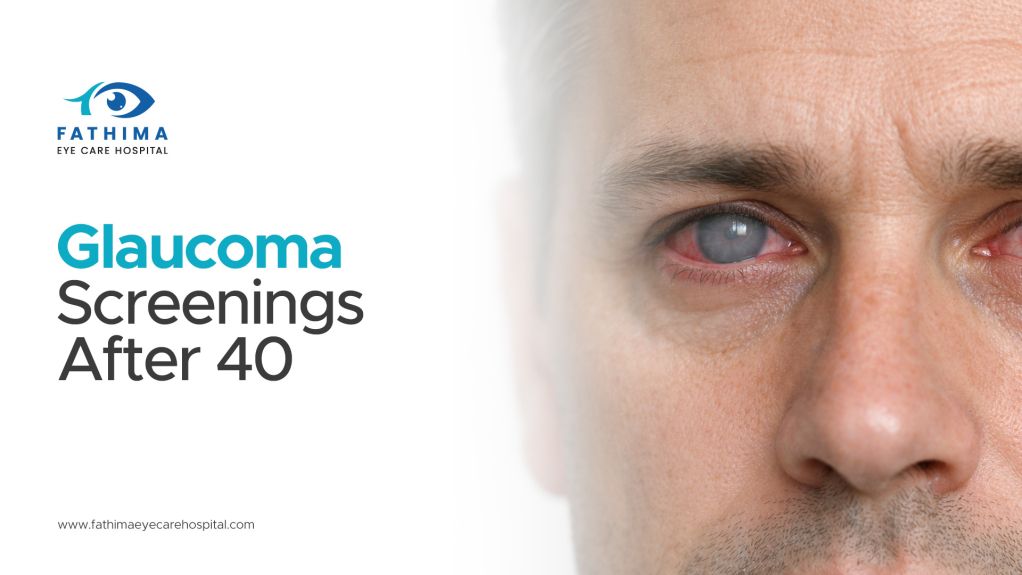
Glaucoma Screenings After 40: Why They're Crucial for Preserving Vision
Did you know that glaucoma is a leading cause of irreversible blindness worldwide, affecting over 70 million people? For those over the age of 40, the risk of developing this silent thief of sight significantly increases, making regular screenings not just recommended, but absolutely crucial.
Understanding Glaucoma: The Silent Thief of Sight
Glaucoma is not a single eye disease, but rather a group of eye conditions that damage the optic nerve. The optic nerve is essential for good vision; it connects the eye to the brain, transmitting visual information. Damage to this nerve can lead to vision loss and, if left untreated, blindness.
Often, glaucoma progresses without any noticeable symptoms in its early stages. This is why it's often called the "silent thief of sight." By the time noticeable vision changes occur, significant and irreversible damage may have already taken place. Typically, the first sign is peripheral (side) vision loss. Central vision is usually affected in the later stages.
Types of Glaucoma
There are several types of glaucoma, but the most common ones include:
- Open-angle glaucoma: This is the most prevalent form. In this type, the drainage angle of the eye is open, but the fluid (aqueous humor) doesn't flow properly, leading to a buildup of pressure inside the eye. This elevated intraocular pressure (IOP) is a major risk factor for optic nerve damage.
- Angle-closure glaucoma: This occurs when the iris (the colored part of the eye) bulges forward, narrowing or blocking the drainage angle. This can cause a sudden increase in IOP, leading to a rapid onset of symptoms such as severe eye pain, nausea, vomiting, blurred vision, and halos around lights.
- Normal-tension glaucoma: In this type, optic nerve damage and vision loss occur even though the intraocular pressure is within the normal range. The exact cause is still being researched, but factors like blood flow to the optic nerve may play a role.
- Secondary glaucoma: This type develops as a result of another medical condition, eye injury, certain medications (like steroids), or eye surgery.
Why Age 40 is a Turning Point
While glaucoma can affect people of all ages, including infants, the risk of developing the condition substantially increases after the age of 40. This is a critical age for initiating regular eye health check-ups. Several factors contribute to this increased risk:
Age-Related Changes in the Eye
As we age, various changes occur within the eye that can predispose individuals to glaucoma. The eye's internal structures, including the drainage system for aqueous humor, may become less efficient. The blood vessels that supply the optic nerve can also become more susceptible to changes in blood flow, potentially impacting nerve health.
Accumulation of Risk Factors
By age 40, individuals may have accumulated other risk factors that further elevate their glaucoma risk. These can include a family history of glaucoma, certain medical conditions, and lifestyle choices. Early detection through screenings allows for the identification of these accumulated risks and proactive management.
Key Risk Factors for Glaucoma After 40
Understanding your personal risk factors is vital. If you fall into any of these categories, regular glaucoma screenings are even more imperative:
Family History
Having a close relative (parent, sibling, or child) with glaucoma significantly increases your risk. Genetics plays a substantial role, and if glaucoma runs in your family, you should be particularly vigilant about regular eye exams. Studies indicate that having a first-degree relative with open-angle glaucoma can increase your risk by 4 to 9 times. (Source: American Academy of Ophthalmology - https://www.aao.org/eye-health/diseases/glaucoma)
Race and Ethnicity
Certain racial and ethnic groups have a higher predisposition to specific types of glaucoma. For instance, people of African, African-American, or Afro-Caribbean descent are at a higher risk for open-angle glaucoma. Individuals of East Asian descent have a higher risk of angle-closure glaucoma.
Medical Conditions
Several systemic health conditions are linked to an increased risk of glaucoma:
- Diabetes: Diabetes can damage blood vessels throughout the body, including those in the eyes, increasing the risk of neovascular glaucoma (a type of secondary glaucoma). People with diabetes are about 40% more likely to develop glaucoma than those without it.
- High Blood Pressure (Hypertension): Fluctuations in blood pressure can affect blood flow to the optic nerve, potentially contributing to glaucoma development.
- Heart Disease: Conditions affecting cardiovascular health can impact the delicate blood vessels supplying the optic nerve.
- Thyroid Disease: Certain thyroid conditions have been associated with an increased risk of glaucoma.
Eye Conditions and Injuries
- High Myopia (Nearsightedness): Severe nearsightedness is a significant risk factor for open-angle glaucoma.
- Eye Trauma: A severe blow to the eye can damage eye structures and lead to secondary glaucoma, sometimes years later.
- Long-term Steroid Use: Prolonged use of corticosteroid medications, particularly eye drops, can increase intraocular pressure and lead to steroid-induced glaucoma.
Other Factors
- Thin Corneas: Individuals with thinner corneas may have a higher risk of developing glaucoma, as corneal thickness can affect intraocular pressure readings.
- Age: As discussed, age is a primary factor, with risk increasing significantly after 40.
The Importance of Early Detection
Early detection is the cornerstone of managing glaucoma and preventing vision loss. Regular screenings allow eye care professionals to identify the disease in its nascent stages, often before any symptoms manifest. This early identification is critical because:
Preventing Irreversible Vision Loss
Once optic nerve damage occurs, it cannot be reversed. The goal of glaucoma treatment is to slow or stop the progression of the disease and preserve the vision that remains. The earlier treatment begins, the more vision can be saved.
Effective Treatment Options
When diagnosed early, glaucoma can often be effectively managed with various treatment options:
- Medicated Eye Drops: These are the most common initial treatment, designed to lower intraocular pressure by reducing fluid production or increasing fluid drainage.
- Laser Therapy: Procedures like selective laser trabeculoplasty (SLT) can help improve fluid drainage from the eye, lowering IOP.
- Surgery: In more advanced cases or when other treatments are insufficient, surgical procedures like trabeculectomy or glaucoma drainage device implantation may be necessary to create new pathways for fluid to drain.
Improving Quality of Life
Vision loss can significantly impact an individual's independence, ability to perform daily tasks, and overall quality of life. By detecting and managing glaucoma early, individuals can maintain their vision for longer, continuing to enjoy their hobbies, work, and social interactions without significant limitations.
Also read: Pink Eye (Conjunctivitis): Understanding Causes, Symptoms, and Treatment
What to Expect During a Glaucoma Screening
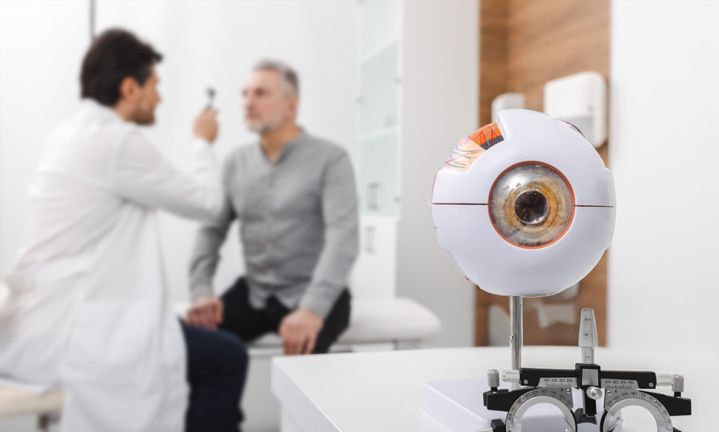
A comprehensive eye exam is typically used to screen for glaucoma. While the exact procedures may vary slightly between practitioners, a standard glaucoma screening usually includes:
Tonometry
This test measures the intraocular pressure (IOP). A quick puff of air or a gentle touch with a small instrument is used to measure the pressure inside the eye. Elevated IOP is a significant indicator, though not the only one, of glaucoma.
Ophthalmoscopy (Dilated Eye Exam)
Your eyes will be dilated with special drops to widen your pupils. This allows the eye doctor to get a clear view of the optic nerve at the back of the eye. The doctor will examine the optic nerve for any signs of damage, such as cupping (enlargement of the central cup of the optic nerve).
Perimetry (Visual Field Test)
This test maps out your peripheral vision. You will be asked to look straight ahead and indicate when you see lights flashing in your side vision. This helps detect any blind spots that may indicate vision loss from glaucoma.
Gonioscopy
This procedure uses a special contact lens with mirrors to examine the drainage angle of the eye. It helps determine if the angle is open or narrow/closed, which is crucial for diagnosing the type of glaucoma.
Pachymetry
This test measures the thickness of your cornea. Corneal thickness can influence IOP readings, so this measurement helps the doctor interpret the tonometry results more accurately.
Recommended Screening Frequency After Age 40
While general guidelines exist, your eye care professional will recommend a screening schedule tailored to your individual risk factors. However, here are some general recommendations:
For individuals with average risk:
- Every 2 to 4 years between the ages of 40 and 54.
- Every 1 to 3 years between the ages of 55 and 64.
- Every 1 to 2 years for individuals 65 and older.
For individuals with higher risk factors (family history, diabetes, African ancestry, etc.):
- Annually, or even more frequently, as advised by your eye doctor.
It's essential to have a conversation with your ophthalmologist or optometrist about your personal risk factors and the appropriate screening schedule for you. The American Academy of Ophthalmology recommends comprehensive eye exams every 1-2 years for adults over 65, and every 2-4 years for adults aged 40-64. For those with risk factors, more frequent exams are advised.
Taking Proactive Steps for Eye Health
Beyond regular screenings, several lifestyle choices can contribute to overall eye health and potentially reduce glaucoma risk:
- Maintain a Healthy Diet: A diet rich in antioxidants, found in fruits and vegetables, may support eye health. Omega-3 fatty acids, found in fish, are also beneficial.
- Exercise Regularly: Moderate exercise has been shown to help lower intraocular pressure.
- Manage Chronic Conditions: Effectively managing diabetes, high blood pressure, and heart disease is crucial for preventing complications that can affect the eyes.
- Protect Your Eyes: Wear protective eyewear during sports or activities that could cause eye injury.
- Avoid Smoking: Smoking is detrimental to overall health, including eye health, and can exacerbate many eye conditions.
Conclusion: Don't Let Glaucoma Steal Your Sight
Glaucoma is a serious condition, but with regular screenings and early detection, vision loss can be significantly prevented. After the age of 40, making comprehensive eye exams a priority is one of the most important steps you can take to safeguard your vision for years to come. Don't wait for symptoms; proactive screening is your best defense against this silent thief of sight. Schedule your appointment with an eye care professional today and take control of your eye health.
Frequently Asked Questions (FAQ)
Q1: How often should I get a glaucoma screening if I have no symptoms?
If you are between 40 and 64 years old with average risk, screenings are typically recommended every 2 to 4 years. If you are 65 or older, every 1 to 2 years. However, your doctor will advise the best schedule based on your individual risk factors. (Source: American Academy of Ophthalmology)
Q2: Can glaucoma be cured?
Glaucoma cannot be cured, but it can be managed effectively with treatment. The goal of treatment is to lower intraocular pressure and prevent further damage to the optic nerve, thereby preserving existing vision.
Q3: What is the main symptom of glaucoma?
In its early stages, glaucoma often has no symptoms. When symptoms do appear, the first noticeable sign is usually a loss of peripheral (side) vision. Later stages can affect central vision.
Q4: Are glaucoma screenings painful?
Glaucoma screenings are generally not painful. Tests like tonometry may involve a puff of air or gentle touch, and dilation drops might cause temporary blurred vision or light sensitivity, but discomfort is minimal.
Q5: If my intraocular pressure (IOP) is normal, can I still have glaucoma?
Yes, it is possible to have normal-tension glaucoma, where optic nerve damage occurs even with IOP within the normal range. This highlights the importance of a comprehensive eye exam that includes an assessment of the optic nerve and visual field, not just IOP measurement.
Q6: How does diabetes increase the risk of glaucoma?
Diabetes can damage the blood vessels in the eye, potentially leading to neovascular glaucoma, a severe type where new, abnormal blood vessels grow and block fluid drainage, increasing intraocular pressure. (Source: Centers for Disease Control and Prevention)
Thrissur | Aluva | Perumbavoor | Kochi | Thodupuzha | Pala