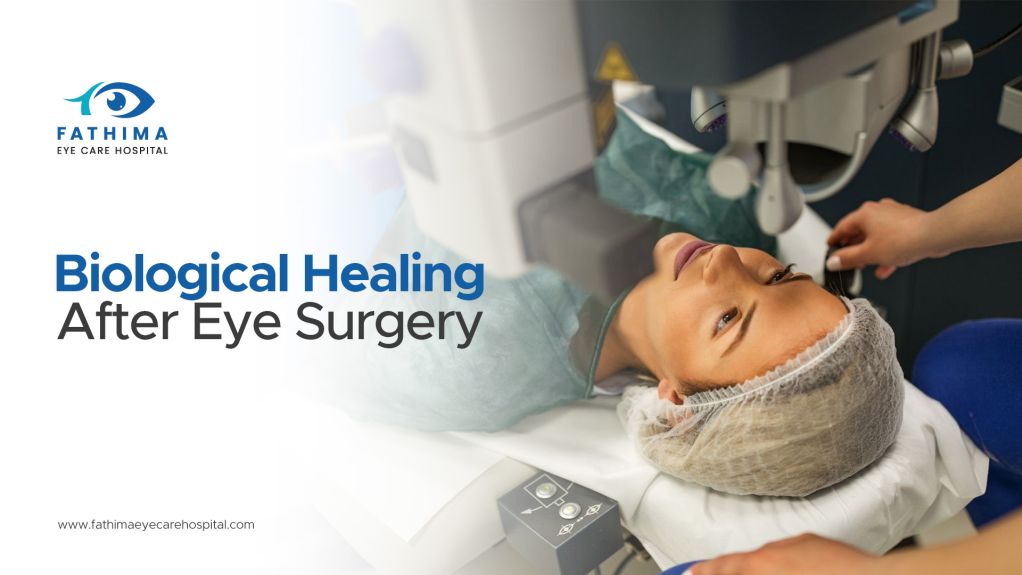
A Day-by-Day Guide to Biological Healing After Eye Surgery
Did you know that over 9 million cataract surgeries are performed annually in India alone? This common procedure, like many others involving the eyes, requires a careful and monitored healing process. The eye is an incredibly delicate organ, and understanding the biological mechanisms at play during recovery can significantly ease patient anxiety and promote optimal outcomes. This guide provides a day-by-day overview of the typical biological healing journey after eye surgery.
Understanding the Biological Healing Process
Biological healing after any surgical procedure, especially one as intricate as eye surgery, is a complex and orchestrated response by the body. It involves several overlapping phases: inflammation, proliferation, and remodeling. These phases work together to repair damaged tissues, restore function, and strengthen the surgical site.
Phase 1: Inflammation (Days 1-3)
Immediately following surgery, the body initiates an inflammatory response. This is a crucial first step. Blood vessels near the surgical site dilate, increasing blood flow and bringing essential immune cells, such as neutrophils and macrophages, to the area. These cells work to clear away any debris, damaged cells, and potential pathogens introduced during surgery. You might experience redness, swelling, mild discomfort, and increased tear production during this phase. This is a normal and necessary part of the healing process, not a sign of infection, provided it remains within expected parameters and is managed with prescribed medications.
Phase 2: Proliferation (Days 3-14)
Once the initial inflammation subsides, the proliferation phase begins. During this stage, new tissue is built to fill the wound. Fibroblasts, a type of cell, migrate to the surgical site and begin producing collagen, a strong protein that forms the structural framework of new tissue. New blood vessels also form to supply nutrients and oxygen to the healing area. Epithelial cells, the cells that form the surface layer of the eye (the cornea and conjunctiva), start to migrate across the wound to cover the exposed area. This is when you'll likely notice significant improvements in vision and a reduction in discomfort. However, the new tissue is still fragile.
Phase 3: Remodeling (Weeks to Months)
The final phase is remodeling, which can last for several weeks to months. During this period, the newly formed tissue is strengthened and reorganized. Collagen fibers are rearranged, making the tissue stronger and more flexible. Scar tissue, if present, becomes less noticeable. The eye's biological mechanisms work to restore the tissue's original strength and function as much as possible. While the initial healing might feel complete within a few weeks, the deeper structural remodeling takes much longer.
A Day-by-Day Breakdown of Eye Surgery Healing
While every individual and every surgical procedure is unique, this day-by-day guide offers a general timeline of what to expect biologically and symptomatically after common eye surgeries like cataract removal or LASIK.
Day 1: The Immediate Aftermath
- Biological Activity: Intense inflammation is the primary biological event. Immune cells are flooding the surgical site. The body is working hard to initiate the repair process. Microscopic tears are being addressed.
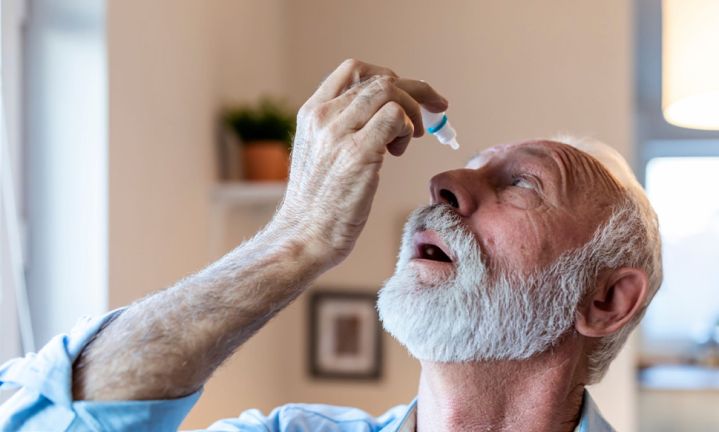
- What to Expect: You will likely experience blurred vision, light sensitivity, and a feeling of grittiness or dryness. Your eye may be red and feel uncomfortable. Your surgeon will likely provide an eye shield or patch for protection. Strict adherence to prescribed eye drops (antibiotics, anti-inflammatories, lubricants) is paramount. These medications help manage inflammation, prevent infection, and keep the eye lubricated, supporting the delicate biological processes.
- Key Actions: Rest your eyes, avoid rubbing or pressing on them, and follow your eye drop schedule precisely. Use artificial tears as directed for comfort.
Days 2-3: Settling In
- Biological Activity: The inflammatory response continues, but the peak may be passing. Macrophages begin clearing away cellular debris. Early signs of proliferation might start, with fibroblasts preparing to lay down collagen.
- What to Expect: Vision may begin to slightly improve, though blurriness is still common. Discomfort should gradually decrease. Redness might persist. You might feel a need to blink more frequently.
- Key Actions: Continue with all prescribed medications and eye care. Avoid strenuous activities. Keep your eye protected, especially when sleeping.
Days 4-7: The First Week Milestone
- Biological Activity: The proliferation phase is gaining momentum. Fibroblasts are actively producing collagen, beginning to build new tissue. New blood vessels start forming to nourish the healing area.
- What to Expect: Vision should noticeably improve each day. Redness and discomfort should continue to decrease. You may start to feel more comfortable opening your eye for longer periods. However, some fluctuation in vision is normal as the eye continues to heal.
- Key Actions: Follow your surgeon's instructions regarding activity levels. Continue medications diligently. Attend your follow-up appointment, usually scheduled around this time.
Week 2: Building Strength
- Biological Activity: Collagen production is robust. The cellular framework for new tissue is being laid down. Epithelial cells are migrating to cover any microscopic gaps.
- What to Expect: Vision should be significantly clearer. Most discomfort should be gone, though a mild gritty sensation might linger. You may be able to reduce the frequency of some eye drops, as directed by your doctor.
- Key Actions: Gradually resume normal activities, but still avoid activities that could put strain on your eyes (e.g., heavy lifting, swimming, contact sports).
Weeks 3-4: Approaching Normalcy
- Biological Activity: The proliferation phase is well underway, with significant collagen deposition and cross-linking. The tissue is gaining strength and structure.
- What to Expect: Vision should be approaching its final clarity. Most redness and irritation should have resolved. You might still experience occasional dryness, especially after prolonged screen time.
- Key Actions: Continue to follow your doctor’s tapering schedule for eye drops. You can likely return to most normal activities, but still exercise caution with eye-straining tasks.
Months 1-3: The Remodeling Begins
- Biological Activity: The remodeling phase is now the dominant process. Collagen fibers are being reorganized and strengthened. Scar tissue is becoming more organized and less prominent.
- What to Expect: Vision should be stable and clear. Any remaining minor fluctuations are likely due to the eye adapting. Dryness may persist for some individuals, particularly after procedures like LASIK.
- Key Actions: Continue using artificial tears as needed. Discuss any persistent concerns with your ophthalmologist. Regular eye check-ups are important to monitor long-term eye health.
Months 3-6 and Beyond: Long-Term Stability
- Biological Activity: Deep tissue remodeling continues, although at a much slower pace. The eye's structure is stabilizing.
- What to Expect: Vision should be fully restored and stable. The eye should feel comfortable and function normally. Long-term eye health depends on ongoing good practices.
- Key Actions: Maintain a healthy lifestyle, protect your eyes from UV radiation, and attend regular comprehensive eye exams. For those who underwent procedures like cataract surgery, remember that the natural lens inside the eye continues to age, which may necessitate future eye care.
Also read: Chronic Tearing? Understanding and Treating Blocked Tear Ducts with DCR
Factors Influencing Biological Healing
Several factors can influence the speed and quality of biological healing after eye surgery:
- Type of Surgery: Different procedures have varying degrees of invasiveness and thus different healing timelines. For instance, a corneal transplant will have a longer healing period than a routine cataract surgery.
- Patient's Age and Health: Younger, healthier individuals generally heal faster. Conditions like diabetes can impair wound healing.
- Adherence to Post-Operative Care: Following your surgeon's instructions regarding medication, activity restrictions, and follow-up appointments is critical for optimal healing.
- Presence of Comorbidities: Pre-existing eye conditions or systemic health issues can affect recovery.
- Surgical Technique and Surgeon Experience: Advanced techniques and experienced surgeons can lead to smoother recoveries.
When to Seek Medical Attention
While discomfort and blurred vision are expected initially, certain signs warrant immediate medical attention. These can indicate complications or an infection, which can disrupt the biological healing process:
· Sudden, severe eye pain
· A significant decrease in vision
· Increased redness or discharge (pus)
· Flashes of light or a sudden increase in floaters
· Swelling of the eyelids that is severe or worsening
If you experience any of these symptoms, contact your ophthalmologist or seek emergency care immediately. Early intervention is key to preserving vision and ensuring proper healing.
Supporting Your Eye's Biological Healing
Beyond following your doctor's orders, you can support your eye's natural healing processes in several ways:
1. Nutrition: A balanced diet rich in vitamins A, C, and E, as well as omega-3 fatty acids, supports tissue repair and reduces inflammation. Foods like leafy greens, citrus fruits, nuts, and fatty fish are beneficial.
2. Hydration: Staying well-hydrated is essential for all bodily functions, including wound healing.
3. Rest: Adequate sleep allows the body to focus its resources on repair and regeneration.
4. Stress Management: Chronic stress can negatively impact the immune system and slow down healing. Practices like meditation or gentle yoga can help.
5. Avoid Irritants: Stay away from smoke, dust, and strong fumes that can irritate the eyes and impede healing.
At Fathima Eye Care Hospital, we understand the importance of comprehensive post-operative care. Our team is dedicated to guiding you through every step of your recovery, ensuring the best possible outcome for your vision and eye health.
Biological healing after eye surgery is a remarkable process that unfolds over days, weeks, and months. By understanding the inflammatory, proliferative, and remodeling phases, and by knowing what to expect on a day-by-day basis, patients can actively participate in their recovery. Vigilance, adherence to medical advice, and supportive lifestyle choices are the cornerstones of a successful healing journey, leading to restored vision and improved quality of life.
Frequently Asked Questions
Q1: How long does it typically take for vision to fully stabilize after eye surgery?
Vision stabilization can vary, but for many common procedures like cataract surgery, significant improvement occurs within the first week, with further refinement over 1-3 months as the eye's tissues remodel. Full stabilization might take up to six months.
Q2: Is it normal to experience some pain after eye surgery?
Mild discomfort, a gritty sensation, or light sensitivity are common in the first few days. Severe or worsening pain is not normal and requires immediate medical attention.
Q3: Can I use my phone or computer after eye surgery?
Initially, it's best to limit screen time as it can cause eye strain. Your surgeon will advise when it's safe to resume normal screen usage. Prolonged focus can hinder the initial healing biological processes.
Q4: What are the most important eye drops to use after surgery?
Typically, prescribed eye drops include antibiotics to prevent infection, anti-inflammatories to manage swelling and support healing, and artificial tears or lubricants to keep the eye moist and comfortable. Always use them exactly as prescribed.
Q5: How can I speed up the biological healing process after eye surgery?
While you cannot 'speed up' the biological process beyond its natural course, you can optimize it by strictly following your surgeon's post-operative instructions, maintaining good nutrition, staying hydrated, getting adequate rest, and avoiding eye irritants.
Q6: What is the role of collagen in eye surgery healing?
Collagen is a key protein produced during the proliferation and remodeling phases. It forms the structural framework of new tissue, providing strength and integrity to the healing surgical site. It is vital for repairing the delicate eye tissues.
Thrissur | Aluva | Perumbavoor | Kochi | Thodupuzha | Pala