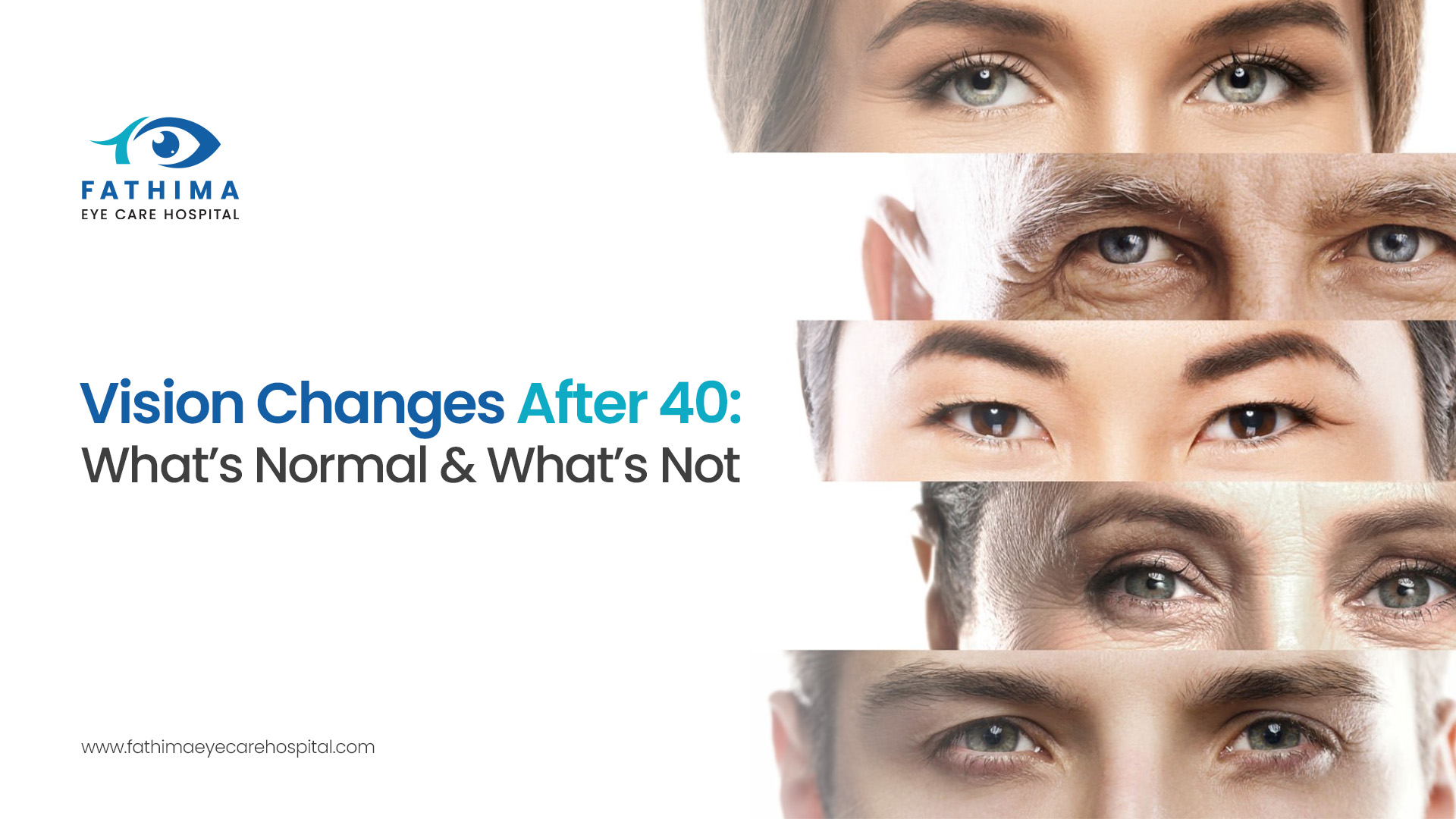
Blog / Vision Changes After 40: What’s Normal & What’s Not
Vision Changes After 40: What’s Normal & What’s Not
Reaching your 40s is a significant milestone, often associated with greater confidence, clarity, and life experience. At the same time, it is also the age when many people begin to notice subtle yet persistent changes in their vision. Reading small text may require more effort than before, screens may lead to eye strain after long workdays, and night driving may no longer feel as comfortable as it once did. These changes usually develop gradually, making them easy to overlook or attribute to fatigue, stress, or poor lighting. However, as these experiences become more frequent, it is natural to wonder whether they are simply part of aging or signs of something more serious.
It is a relief that changes in vision of most people over 40 are normal and are in fact a common part of aging of the eye. As the lens of the eye becomes stiff and the visual systems respond more slowly, it becomes extremely difficult to perform the daily visual tasks. What is really important is being able to distinguish those changes which are typical, understandable and therefore, manageable, from those changes that are so serious that they call for professional help. By making this distinction, people will be able to handle their eye problems with confidence rather than with anxiety.
This article will enable you to have a better understanding of common eye changes due to aging, typical eye impairments in old age and it also informs you of the situations when you should seek professional help in order to protect your eyesight and keep your visual comfort until the later years of your life.
Why Vision Changes After 40 Occur
The eyes are highly complex organs that rely on precise coordination between the lens, muscles, nerves, and retina. As part of the natural aging process, each of these components undergoes gradual change. One of the most significant changes occurs in the eye’s lens, which becomes thicker and less flexible over time. This makes it harder for the eyes to shift focus between near and distant objects, particularly during close-up tasks such as reading or screen use.
In addition to this, the muscles around your eyes that help them move and focus, could become weaker, and the nerves that are responsible for carrying the images that your eyes see to the brain could also become slower at signalling. Furthermore, a decrease in tear production is one of the changes in the eyes that come with age which means the eyes are more prone to getting dry and irritated. Most of the time, these changes in the eyes are influenced by our lifestyle such as due to the long hours spent looking at digital screens, we end up having visual impairments.
Another primary cause of eye irritation is exposure to artificial lighting, besides that other factors that contribute to this problem include lack of sleep, stress and lifestyle diseases like diabetes or hypertension which are most common among the elderly. As the natural aging process goes on and on, if you are educated about these changes, you can make the necessary adjustments at an early stage, and also slowly start giving your eyes the proper care.
Common Vision Changes After 40 That Are Normal
Difficulty Reading Small Print (Presbyopia)
Presbyopia is one of the most common and noticeable vision changes after 40. It occurs when the eye’s lens gradually loses its ability to change shape, reducing its capacity to focus on nearby objects. People often notice they need to hold reading material farther away, struggle with small print in low light, or experience eye fatigue after prolonged close work.
This condition affects nearly everyone, regardless of whether they have previously worn glasses. Presbyopia is not an eye disease but a natural part of aging. Reading glasses, bifocals, or progressive lenses are effective solutions that restore comfortable near vision. Good lighting and regular eye exams further help reduce eye strain and ensure prescriptions remain accurate.
Eye Strain and Headaches
Eye strain and headaches are increasingly common complaints among adults over 40, especially in today’s digital-first world. Aging eyes require more effort to focus and refocus, particularly during extended screen use. This increased effort can lead to tired eyes, discomfort around the temples or forehead, and temporary blurred vision by the end of the day.
Eye strain often develops gradually and improves with rest, which makes it easy to ignore. However, persistent eye strain and headaches may indicate uncorrected vision or improper screen habits. Taking regular breaks, adjusting screen brightness and positioning, maintaining proper posture, and following the 20-20-20 rule can significantly reduce discomfort and protect visual health.
Dry Eyes
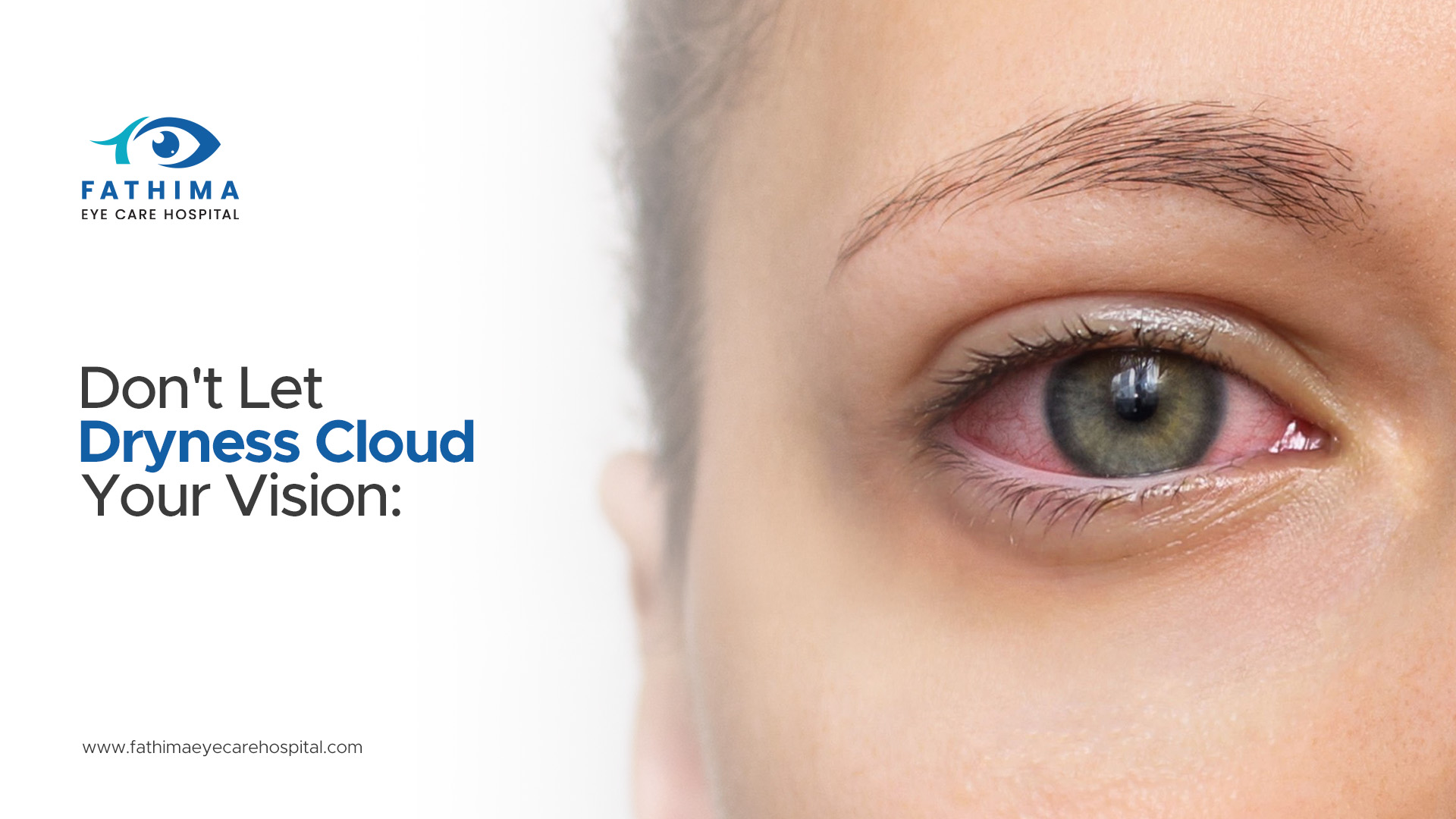
Dry eyes become more common after 40 due to reduced tear production and changes in tear quality. Hormonal changes, medications, air conditioning, pollution, and prolonged screen use can worsen dryness. Symptoms often include burning, stinging, redness, a gritty sensation, or watery eyes caused by reflex tearing.
While dry eyes are often considered a minor inconvenience, persistent dryness can affect visual clarity and daily comfort. Artificial tears, adequate hydration, reduced screen exposure, and conscious blinking are effective ways to manage symptoms and maintain eye comfort.
Increased Sensitivity to Light and Glare
Many people notice increased sensitivity to bright light and glare as they age. Sunlight, reflective surfaces, and oncoming headlights may appear harsher, especially during driving. This happens because aging lenses scatter light more than younger lenses, reducing contrast and sharpness.
Wearing sunglasses with proper UV protection, choosing anti-glare lenses, and avoiding harsh lighting conditions can greatly improve visual comfort and reduce strain.
Difficulty Seeing in Low Light
Another common change after 40 is difficulty seeing clearly in dim environments. The eyes adapt more slowly to darkness, making night driving or reading in low light more challenging. Brighter, well-distributed lighting at home and extra caution during nighttime activities can improve safety and confidence.
Also Read : Don’t Let Dryness Cloud Your Vision: Why Managing Dry Eye is Essential Before Cataract Surgery
Common Eye Problems in Old Age That Require Attention
While many vision changes are normal, some conditions are more serious and should not be dismissed as aging. These are common eye problems in elderly individuals and require professional evaluation.
Cataracts develop when the eye’s lens becomes cloudy, leading to blurred or dim vision, faded colors, and increased glare. They progress slowly but are highly treatable with surgery.
Glaucoma damages the optic nerve and often progresses without noticeable symptoms in its early stages. Regular eye exams are essential, as vision loss from glaucoma is irreversible.
Age-related macular degeneration (AMD) affects central vision and interferes with reading, driving, and recognizing faces. Early detection helps slow progression.
Diabetic eye disease, including diabetic retinopathy, can cause vision loss if left untreated and often develops silently, making routine eye exams critical for individuals with diabetes.
Common Eye Problems in Old Age That Require Attention
Although it is common to experience changes in our vision, we should not simply dismiss every changed condition of our eyes as a matter of aging. These problems with the eyes of elderly people are very common and need the intervention of a doctor. The lenses of the eyes become clouded (cataract) which makes the vision blurry or dim, colours less vibrant, and there will be an increase in glare. They progress slowly but can be very effectively treated with surgery. Glaucoma is the gradual loss of peripheral vision which happens as a consequence of the damage to the optic nerve. The disease occurs in most cases without obvious symptoms during its early stages. That is why the patient needs to have regular eye check ups as, once the vision from glaucoma has become irreversible, there is no way to restore it.
Age – related macular degeneration (AMD) is a disorder of the retina that severely limits central vision, making it difficult for those affected to carry out such activities as reading, driving, and recognizing faces. It is possible to slow down the disease by detecting it at an early stage. Diabetic eye diseases, especially diabetic retinopathy, are the main causes of blindness among working age adults with diabetes. However, the symptoms usually do not occur in the early stages, so only the regular eye check ups can help to detect the problem in time and prevent the person from going blind.
What’s Not Normal and Needs Immediate Care
It’s very common for our eyesight to change after we reach 40 years of age. Still, there are eye symptoms which should not be regarded as the inevitable result of aging and rather, consulting a doctor as soon as possible would be the best course of action. Suddenly losing your sight in one or both eyes, seeing light flashes, or getting floaters rapidly are just a few examples. In fact, these symptoms due to retinal detachment or vascular problems may lead to irreversible vision loss if there is no intervention.
Strong or long – lasting eye pain, double vision, or an eye that is red and constantly swollen might be signs of infections, inflammations, or other nervous system problems that need a doctor’s immediate attention. Most of the age -related eye problems normally take considerable time to get worse, whereas these symptoms come very unexpectedly or deteriorate extremely fast. It is a must to see a doctor as soon as these symptoms show up. This is how, with accurate diagnosis, appropriate treatment without delay will ensure the safety of your vision and in some cases, the harm may be prevented from being permanent.
How to Protect Your Vision After 40
With age, safeguarding the health of your eyes doesn’t necessarily mean you have to make a drastic change to your lifestyle. Persistently maintaining a healthy lifestyle is what will eventually help to keep your vision problems at bay in your later years. It is essential for everyone to have regular, detailed vision check ups, but for you, it is even more necessary; these check ups can identify any defects in your eyesight even before you notice them and thus the treatment can be easier, unlike when symptoms are already present.
Keeping your eyesight in a good condition also means that you have to pay attention to your diet by having a nutritious and well balanced one. It should have a good supply of vitamin A, vitamin C, vitamin E, antioxidants, and Omega 3’s as these nutrients are very effective in nourishing the eyes and the tissues that support our retina.Moreover, if you want to keep your eyes protected while using a digital device and thus reduce the chance of headaches resulting from computer exposure, thereby working more efficiently, you need to take eye breaks from time to time, turn down the brightness of your screen to a level that is comfortable for your eyes, and ensure good lighting in the workplace. Finally, when you are outside and exposed to the sun, wearing sunglasses that block UV rays, will help a lot in preventing your eyes from getting too much exposure to the harmful rays of the sun.
Conclusion
Vision changes after 40 are a natural and inevitable part of aging, much like changes in stamina or physical flexibility. While noticing difficulty with near vision, eye strain, or sensitivity to light can feel concerning at first, most of these changes are manageable and do not indicate serious eye disease. Understanding what is normal allows individuals to respond calmly, while being aware of warning signs ensures that conditions requiring treatment are not overlooked. Regular eye examinations play a vital role in maintaining this balance, as many serious eye problems develop gradually and without early symptoms.
Equally important are the everyday choices that influence long-term eye health. Managing screen time, maintaining proper lighting, eating a nutritious diet, staying physically active, and protecting the eyes from harmful UV exposure all contribute to healthier vision over time. With modern eye care, corrective solutions, and preventive strategies, vision changes after 40 do not mean a loss of independence or quality of life. By staying informed, attentive to changes, and proactive about eye care, you can preserve clear, comfortable vision and continue to experience the world with confidence for many years to come.
Thrissur | Aluva | Perumbavoor | Kochi | Thodupuzha | Pala